
 DIRECTORY
 Find your city →
Every covered city has its own page: local spring-life gauge, code and permit answers, symptom cards and the routed line. Browse the coverage directory.
One free call routes you to a licensed, insured garage door contractor covering your ZIP — across 11,980 ZIP codes, 6,363 cities and 38 states. Springs, openers, off-track doors, installation, commercial systems. No forms, no quotes theatre, no obligation — describe the door, get connected, decide yourself.
// NETWORK READOUT
38
states with live routing
coverage footprint
6,363
covered cities
coverage footprint
11,980
ZIP codes routed
coverage footprint
10,000
cycles — standard spring rating
DASMA technical data
// HAVE READY WHEN YOU CALL
Five service lanes, one routed line. Each card links into city-level pages carrying real local data — spring-life bands from NOAA county climate normals, housing-stock cohorts from Census ACS, and the state statutes that bind the work.
 SAME-DAY
 The bang-then-dead-weight failure. Torsion springs store lethal energy and fail on a cycle schedule — this is the call that cannot wait and must not be DIY.
Same-visit pair replacement, wound to measured door weight, cycle rating stated on the quote.
 SAME-DAY
 The door that jumped its rails — crooked, wedged, rollers hanging free. Suspended load until secured; every extra cycle widens the damage.
Secured first, cause corrected, track re-gauged to the door — never bent back by eye.
 SAME-DAY
 The highest-volume fault family: stripped gears, drifted photo eyes, dead boards, vanished remote range. Most units are repairable without replacement.
Diagnosis-first bench work; replacement quoted honestly only when parts support or safety compliance is gone.
 SCHEDULED
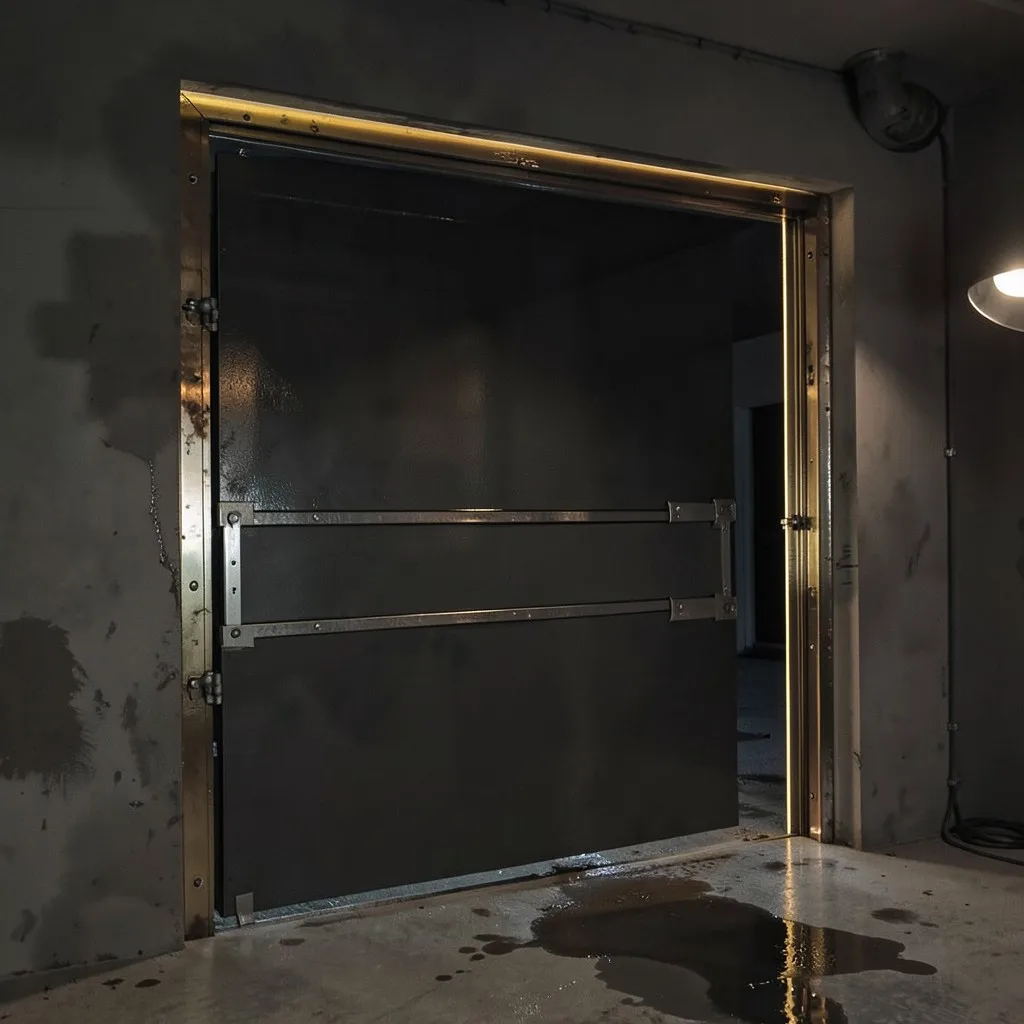
 Measured, specified, often permitted. A door ordered without three-direction measurements and a code check is a liability with panels.
Spec covers construction, insulation, wind rating where required, spring cycle class and opener compliance.
 SCHEDULED
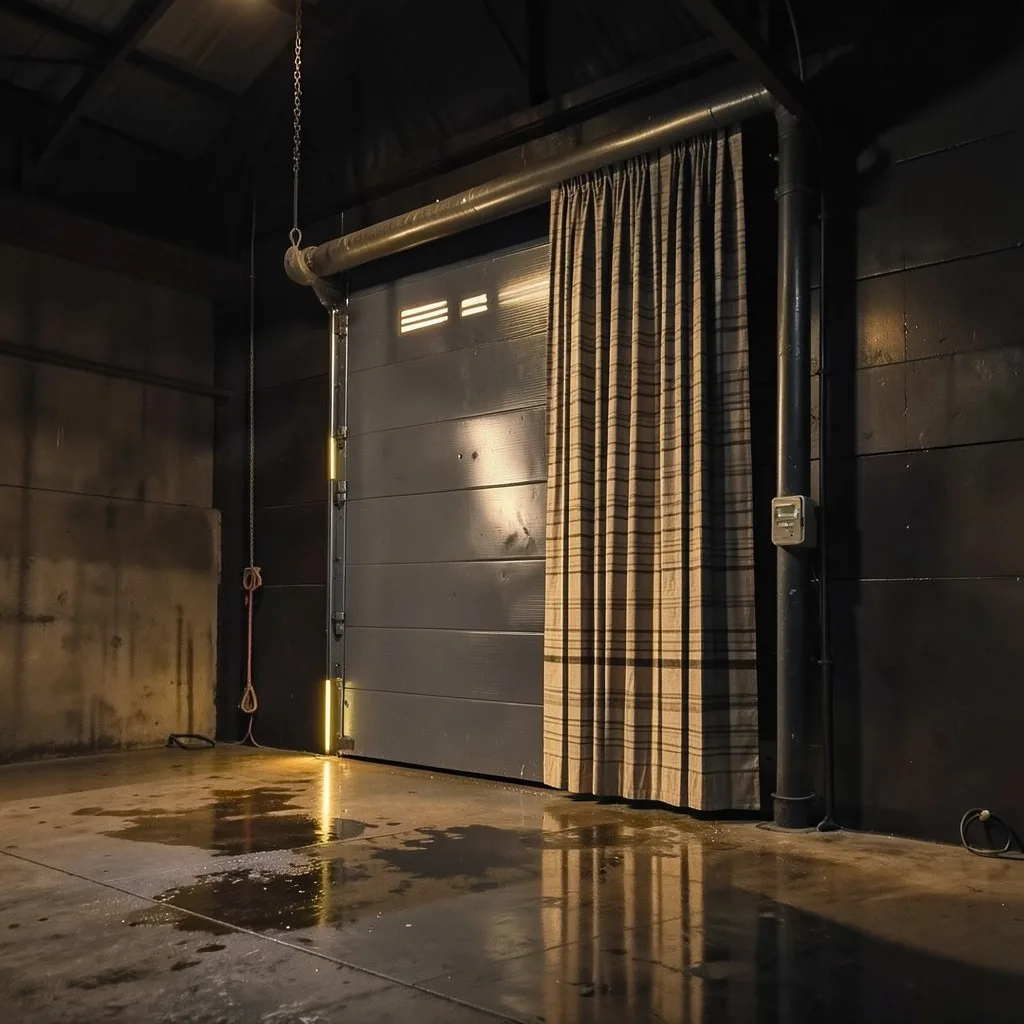
 Rolling steel, sectional, dock systems — duty-class hardware where downtime, not parts, is the real cost. Quote-led by written inspection scope.
Documented findings, make-safe interim measures, parts matched to cycle class.
 SCHEDULED
 The scheduled hour that deletes the emergency call: spring wear read early, cables caught fraying, forces recalibrated.
Annual for typical households; twice-yearly at heavy use or in hard-winter climates.
DIRECTORY Every covered city has its own page: local spring-life gauge, code and permit answers, symptom cards and the routed line. Browse the coverage directory.
Three stages, no accounts, no callbacks-from-five-companies. The routing is the product — everything else on this site exists to make the call shorter and the outcome better.
ZIP, door type, opener brand, the symptom in one sentence. Those four answers decide everything downstream: which licensed contractor gets the call, and what goes on the truck. The symptom tables on every city page exist so you can name the fault precisely — "bang, then dead weight" routes better than "it's broken."
The network holds live coverage for every ZIP this site publishes — when you call, the system matches your area to an independent licensed garage door contractor actually serving it. No lead auction spraying your number to five dialers: one call, one contractor, and the conversation is with the business that would do the work.
Diagnosis at the door, a written scope before work, and every pricing decision made with the contractor directly. This site never touches the transaction. If the window doesn't fit or the quote doesn't sit right, you owe nothing and nobody calls you back to "follow up."
Because the spring is the only part with a hard expiry date. Everything else wears; the torsion spring counts down.
A sectional door weighs 130–350 pounds. The opener contributes roughly the force of one arm — the torsion springs, wound to the door's measured weight, do the rest. When a spring fails, the system doesn't get weaker; it stops existing. That's why a "strong motor" never fixes a heavy door.
The standard residential spring is rated 10,000 open-close cycles (DASMA technical data). At the household average of 4 cycles a day — about 1,460 a year — that's roughly 7 years of design life. A home where the garage door is the front door burns through it in half the time.
Cold steel is brittle steel: hard-winter counties see springs fail at the bottom of their rated band, clustered into the first sustained freeze. Every city page on this site carries its county's NOAA heating-degree-day figure and the local spring-life band derived from it.
A 25,000-cycle spring is the same install labour as a 10,000-cycle spring. When replacement is already on the table, the cycle rating is the one line on the quote that changes how many years you're buying — which is why every vetting checklist on this site says: make them name the rating.
The most common opener failure — the stripped nylon drive gear — is usually collateral damage from months of lifting against a fading spring. Fixing the gear without weighing the door schedules the same failure again. Good contractors check balance first; the process pages describe exactly that sequence.
Door down, pull the red release, lift to half height, let go. A balanced door holds; a door that drops or fights you is running on tired springs. It's the single most predictive check a homeowner can run, it costs nothing, and it's safe — the spring never gets touched.
On a calendar the climate writes. Each covered city's page carries its own NOAA-derived failure calendar; the national pattern underneath it looks like this:
First sustained freeze
Cold steel loses ductility, thickened lubricants raise load, and marginal springs meet their cycle limit on the coldest mornings. Hard-winter counties see the year's failure peak here — the reason fall tune-ups exist.
Post-winter
The wear winter inflicted surfaces as noise and bind once doors cycle freely again. The cheapest diagnosis window of the year: faults announce themselves without stranding anything.
Peak heat
Hot garages cook opener logic boards, and low sun angles glare photo-eyes into false trips on west-facing openings. Mechanical hardware coasts; the circuit boards don't.
Before the cold
Servicing before the load peak is how a door skips emergency season entirely — spring wear read early, forces recalibrated, cables caught fraying at the brackets.
The six failure signatures behind most calls. City pages carry the full ten-row diagnostic table tuned to local housing stock — these are the headlines.
Snapped torsion spring — the door is dead weight. Do not force it; do not pull the release with the door up.
Opener force limit tripping — usually a weakening spring making the door heavier than the motor’s setting.
Safety reversal firing: photo eyes misaligned or blocked, or closing force set below what the stiffened door needs.
Stripped drive gear or disengaged trolley — white shavings under the cover are the gear’s signature.
Cable off the drum or snapped on one side. Stop using the door — a racked door can jump the tracks.
Springs at end-of-life losing torque through the bottom of travel. Typically the final warning before failure.
Describe the symptom, the door type and your ZIP — routing finds the licensed local pro while you're still on the line.
Call (800) 555-0167The craft behind the phone number — the equipment discipline that makes a repair permanent. City pages show the full process, stage by stage.
 01
01 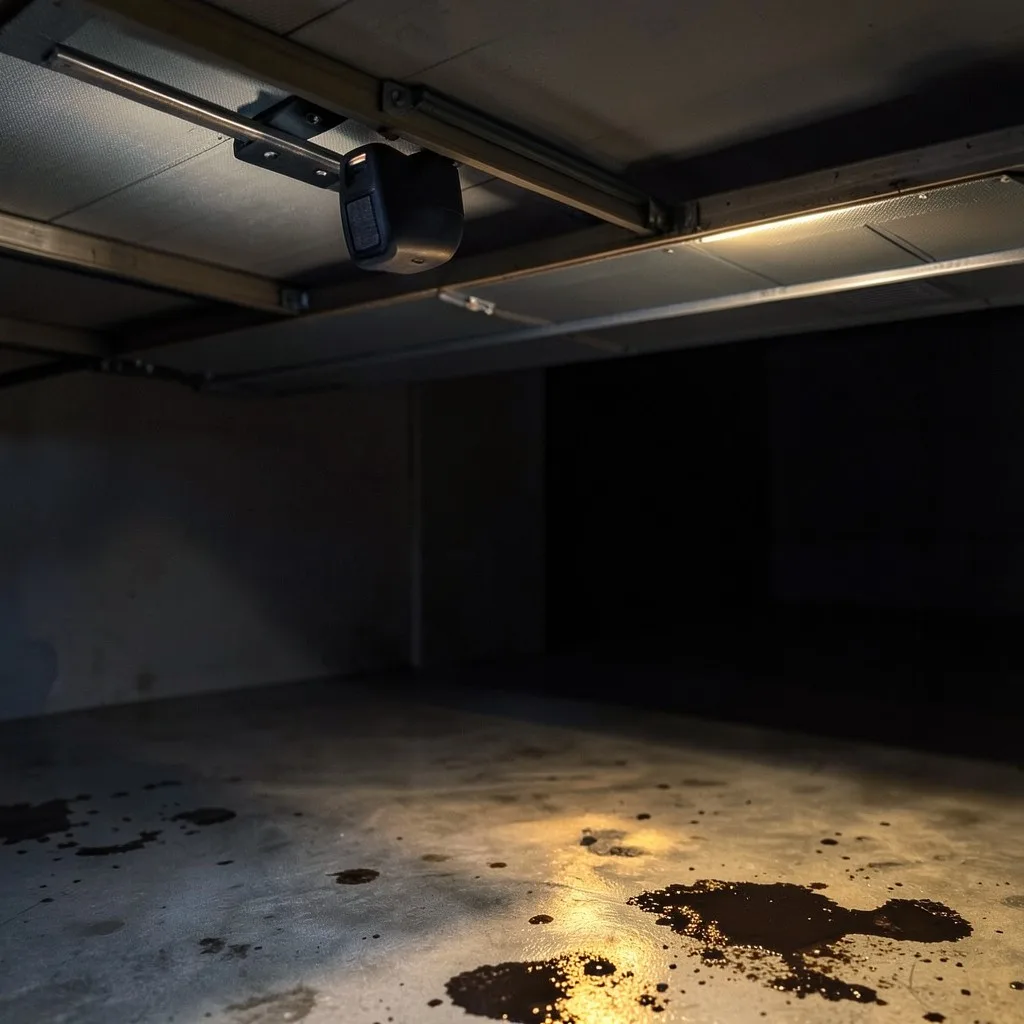 02
02 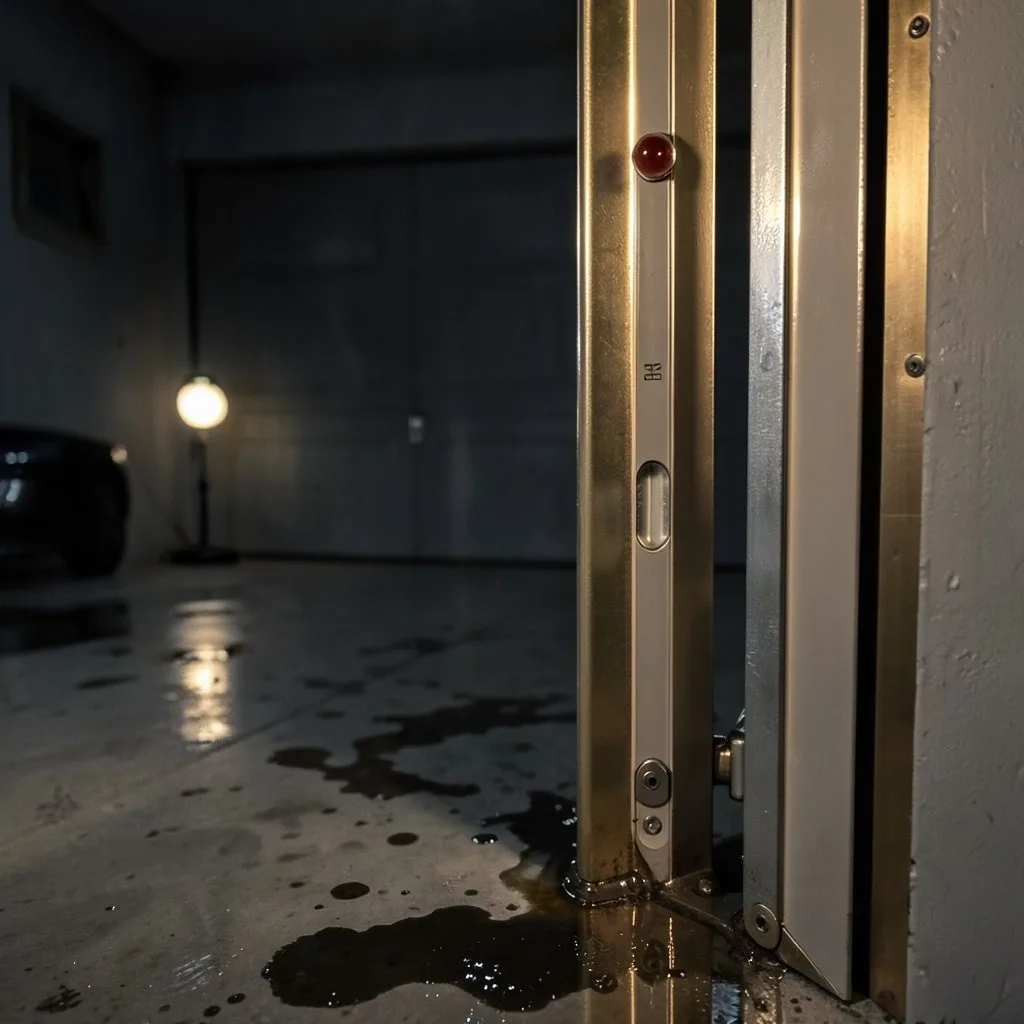 03
03 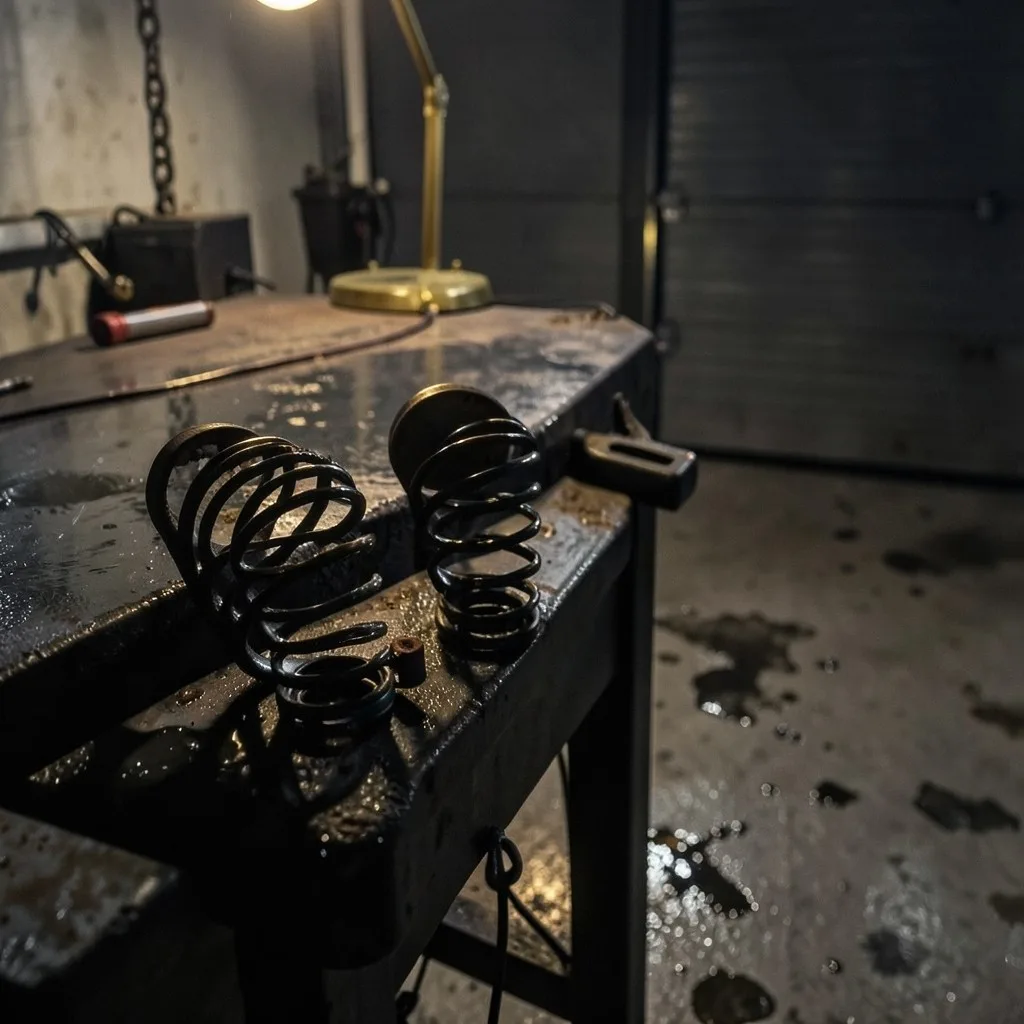 04
04 Because the physics does. Statute and code follow climate and risk — and they change what a compliant repair or install looks like. The big three axes this site tracks, each sourced to the governing authority:
| Rule | Where it binds | What it requires |
|---|---|---|
| California SB-969 | Every residential opener sold or installed in CA since 2019-07-01 | Battery backup mandatory; a four-figure civil penalty per non-compliant opener; a replacement door may not connect to a non-compliant opener. (Cal. HSC §§ 19890-19892) |
| Texas TDI windstorm program | 14 first-tier seacoast counties + Harris County east of SH 146 | Garage doors need windstorm-code inspection; the WPI-8 certificate documents compliance, and TWIA windstorm coverage depends on it. |
| Florida HVHZ | Miami-Dade and Broward counties only | 170-180 mph ultimate design wind speeds, impact rating mandatory, current Miami-Dade NOA or HVHZ-listed product approval — Broward approvals are not valid in Miami-Dade. |
| UL 325 (federal) | Every automatic residential opener made since 1993 | Entrapment protection — the photo-eye pair. Pre-1993 openers without it fail the safety bar regardless of condition. |
Sources: California Legislative Information · Texas Department of Insurance · Florida Building Commission · UL Standards
City pages publish in payout-verified coverage order, starting with California. The directory lists all 1,519 published cities; the routing line covers the full 11,980-ZIP footprint regardless.
The short version of the safety line every city page carries in full. Springs and cables are the two components that injure people — everything else is fair game to inspect.
This trade has a documented bait-and-switch problem — low phone quote, triple at the door, pressure to replace what needed a part. The defence is verification, and all of it is free. Run every contractor, routed or not, through these five:
Every state page here links its licensing authority. Put the contractor's licence number into the board's public lookup before authorising work — a legitimate business volunteers the number; a toll-free dispatch desk cannot.
General liability plus workers' comp, as a certificate — not as a yes on the phone. An uninsured crew doing spring work on your property is your homeowner's policy's problem the moment something goes wrong.
Ask what rating the replacement springs carry. Pros answer in numbers — 10,000, 15,000, 25,000 — and put it on the invoice. A quote that can't name the rating is a quote for unknown parts at a known price.
Parts, ratings, labour, on paper, before authorisation. Verbal while-we're-here additions are the mechanism behind most complaint-board stories in this industry; paper is the antidote.
Unsolicited full-door replacement for a spring symptom. A price that moved dramatically from the phone. No licence number on the truck or invoice. Cash-only. Any one of these ends the visit — there is always another licensed contractor.
A free call-routing line for garage door work. Garage Door Repair Line is a referral service — not a contractor: your call routes through the eLocal network to an independent licensed garage door contractor covering your ZIP code, and the site is compensated when a call connects. The contractor you speak with is the business that would do the work; every booking decision stays yours.
Nothing and nothing. The call is free, there is no account, no callback list, and no obligation — if no local contractor fits your window, the call simply ends. Pricing for actual work comes from the licensed contractor, in writing, before you authorise anything. The site earns a referral fee from its network when calls connect, which is disclosed in the footer of every page and costs callers nothing.
Contractors in the routing network are independent licensed businesses responsible for their own licensing and insurance. Verify independently in two minutes: every state page on this site links the state licensing board lookup, and the vetting checklist on every city page covers licence, insurance certificate, spring cycle-rating disclosure and written-scope practice.
11,980 ZIP codes across 6,363 cities in 38 states. Coverage is ZIP-level — city pages exist exactly where routing exists, and the coverage directory lists every covered city. The current build wave publishes 1,519 city pages, expanding by state.
Because honest garage door pricing is quoted at the door, not on a landing page. Pages here explain what drives cost — component, door weight, spring cycle rating, access, timing — and the routed contractor puts numbers on paper after seeing the door. Any phone price that survives contact with the actual door was padded to begin with.
Really not. A wound torsion spring on a residential door stores energy in the range that maims hands and faces; winding-bar work belongs to people who do it daily. Everything observational is yours to do — balance tests, reversal tests, photo-eye cleaning, symptom-matching on this site — and the two-minute call is free.
Named public datasets, joined per city and rebuilt with the site: NOAA NCEI county climate normals (1991–2020) drive the heating-degree-day figures and the spring-life bands; U.S. Census ACS 2023 five-year tables B25034 and B25024 drive the housing-age and detached-share figures, place-resolved where the city matches a Census place; statutes and licensing facts cite the issuing state authority directly. The methodology page documents every source, vintage and join — and where a figure is a model rather than a measurement, the page says so.
Three useful things, all safe. First, stop using the opener if the door is crooked, binding, or visibly missing a spring — motors are strong enough to convert a cheap repair into an expensive one. Second, note the opener brand and the door type; both are on the equipment and both shorten the visit. Third, clear the area around the door and tracks so the crew can work the full travel path. What not to do is shorter: never touch the springs, the cables, or the bottom brackets, and never pull the red release cord while the door is open.