
Where Garage Doors Are, Regulated Hardware
Most of the country regulates garage doors only through the UL 325 federal opener baseline. Three regimes go further: California mandates opener battery backup by statute, 14 Texas seacoast counties tie doors to windstorm insurance inspections, and two Florida counties enforce the nation's strictest wind and impact standards. This page maps all three — and publishes the county-level data for anyone to use.
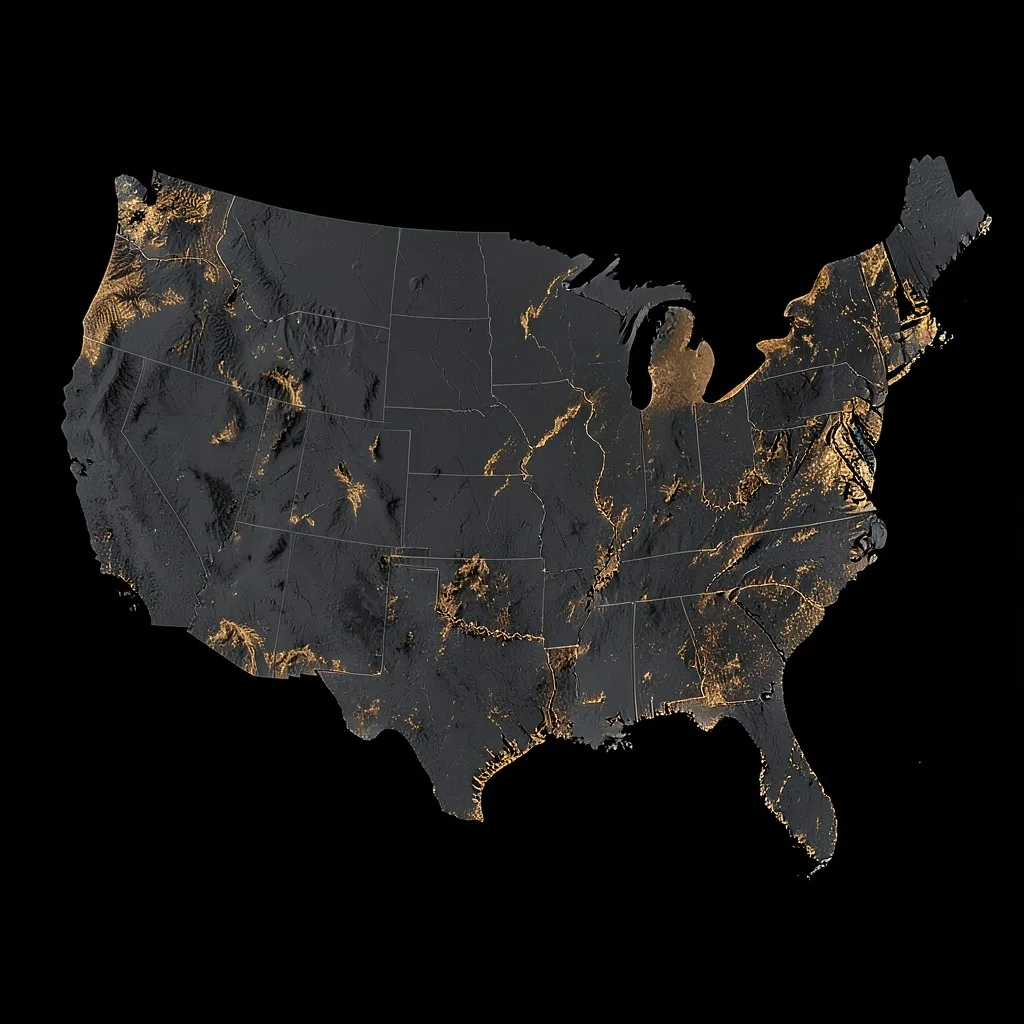
The three regimes, on the map
Brass markers are statutory regimes beyond the federal baseline. Everywhere unmarked, UL 325 is the operative rule.
What each regime actually requires
United States — UL 325 (the baseline)
Every residential automatic opener manufactured since January 1993 must carry redundant entrapment protection: a monitored external device — the photo-eye pair — layered over inherent force reversal in the operator. It is a behaviour standard, testable at home with a board and a broom handle, and it rides beneath every state rule on this page. Full entry →
California — SB-969 battery backup
Since July 1, 2019, every automatic residential opener sold or installed in the state must operate the door during a power outage via battery backup — a statute written after wildfire evacuations trapped residents behind powerless doors. The $1,000-per-unit civil penalty binds sellers and installers, not homeowners. California page →
Texas — TDI windstorm inspections (WPI-8)
In 14 first-tier seacoast counties (plus Harris County east of SH 146), doors installed as windstorm-resistant construction need TDI-approved products and inspection for the WPI-8 certificate that underwrites windstorm insurance eligibility. The garage door — the largest opening in most coastal homes — is a named inspection item.
Florida — the High-Velocity Hurricane Zone
Miami-Dade and Broward counties enforce the country's strictest standard: 170–180 mph ultimate design wind speeds, minimum DP-30 design pressure, mandatory large-missile impact rating, and product approvals (Miami-Dade NOAs expire annually; Broward approvals are not valid in Miami-Dade). Elsewhere in Florida, wind-borne debris rules apply by wind-speed map.
Take the data
Download the county-level CSV
19 rows: every TDI seacoast county with FIPS codes, the Harris County carve-out, both HVHZ counties, the California statute and the federal baseline — each with its requirement summary, authority and source URL. Free to reuse with attribution (CC BY 4.0); rebuilt from source data on every site update.
Methodology, honestly stated
Regime lists come from the issuing authorities: the TDI windstorm program's seacoast county designations, the Florida Building Code's HVHZ definition, and California's legislative text for SB-969. This index covers statutory garage-door regimes — it does not restate local permit rules, which vary by city and live on each covered city's page. States gain deep pages here as their statute research is completed and verified; unverified states are omitted rather than approximated.
State deep pages
California’s Garage Door Rules →
California garage door requirements in one place: the SB-969 battery-backup law, CSLB D-28 licensing, permit triggers and Wildland-Urban Interface rules.
Texas’ Garage Door Rules →
Texas garage door requirements: the TDI windstorm program (WPI-8, first-tier counties), the no-state-license reality, municipal registration and permits.
Massachusetts’ Garage Door Rules →
Massachusetts garage door requirements: HIC registration and the Guaranty Fund, Construction Supervisor licensing, 780 CMR permits and coastal wind zones.
More states in research
Deep pages ship as each state's statute set is authored and verified against primary sources — never approximated. Florida's county-level wind data above is already complete ahead of its page.