Skip to content
Garage Door Repair Line Nationwide Garage Door Dispatch (800) 555-0167
11,980 ZIPS ROUTED · 38 STATES

Garage Door Installation, Measured, Specified, Permitted

A door installation done right is mostly preparation: three-direction measurement of the opening, a written specification covering construction and insulation, the permit question answered with the local building department — then a one-day build finished with balance and reversal tests. The routed contractor owns that whole sequence.

// SERVICE READOUT

What should you know before anyone quotes this work?

The three things that decide whether a installation job goes well — before price ever comes up.

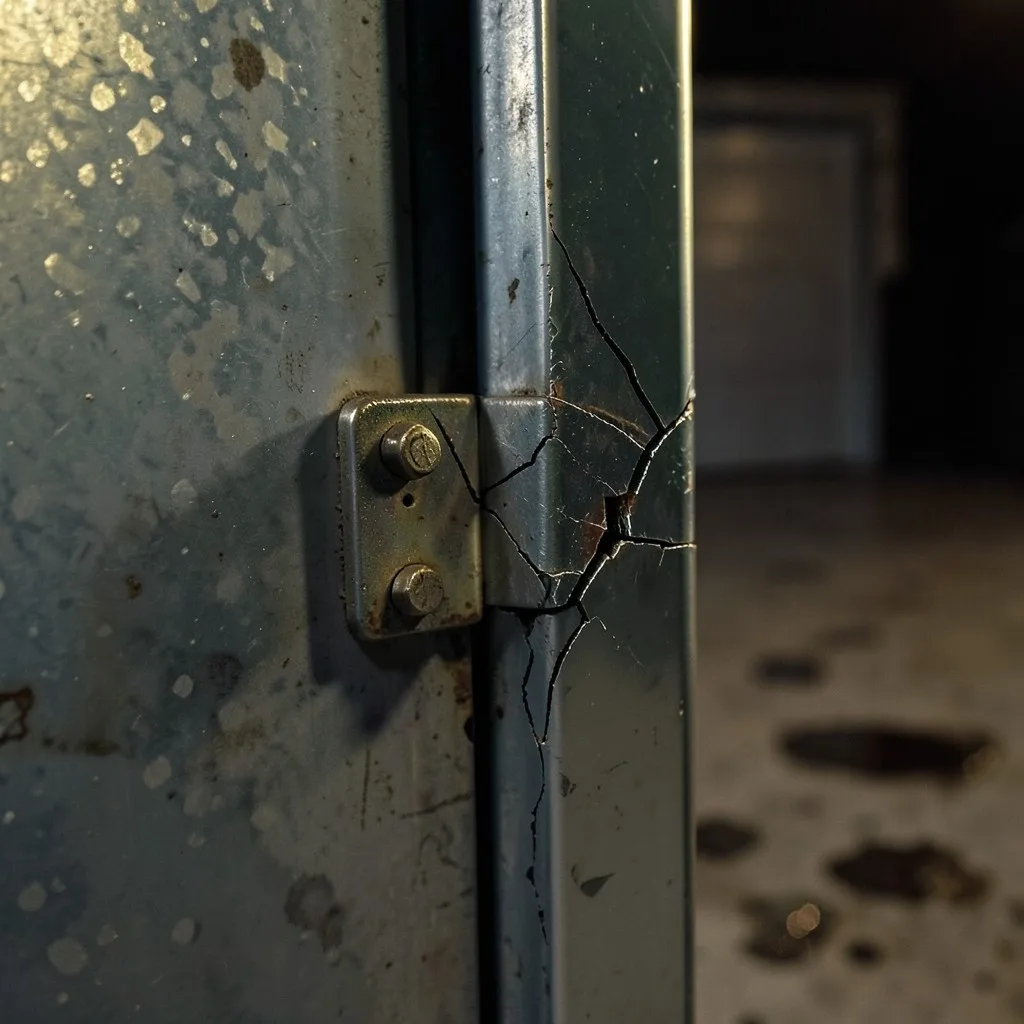
Cracked hinge at a garage door panel joint

Spec beats style

Steel gauge, insulation R-value, spring cycle class and hardware rating are the four invisible lines that separate quotes. The visible panel style costs little either way — the specification is where a door becomes quiet, stiff, dent-resistant and long-lived, or does not.

Crushed bottom weather seal with light leaking beneath the door

The permit question is real

Like-for-like replacement is often exempt; changing the structural opening is permitted work almost everywhere, and some cities permit every replacement. The deciding voice is the local building department — a licensed installer confirms before the door is ordered, because unpermitted structural work surfaces at home sale.

Sectional door sitting crooked in its opening with slack cable

Systems, not parts

Track is engineered to the door: radius, gauge and spacing married to panel weight. Reusing old rails under a new door voids listings and misaligns rollers on day one. A proper install replaces the system — sections, track, springs sized to measured weight, seals — and tests it as one machine.

// HAVE READY WHEN YOU CALL

Is this the page your door needs?

Thirty seconds of triage saves a mis-routed call — match the fault, then dial.

This page, if…

Panels are cracked, rusted through or delaminating; the profile is discontinued; the door is on its third spring set with original everything; or you are changing the opening itself. Replacement territory — measured, specified, permitted, and commissioned with the safety tests a new system deserves.

A repair page, if…

One matchable panel took a hit, a spring let go on an otherwise sound door, or the opener died on a door with years left. Component failures repair for a fraction of a new system — the repair pages carry those lanes with the same routed line and deeper diagnostic detail.

Commercial, if…

The opening is a storefront, warehouse bay or dock. Rolling steel and high-cycle hardware live in a different catalogue with different engineering — the commercial page routes to contractors who carry it, with inspection-led scoping built for business openings.

What separates a spec sheet from a brochure?

Aged door panel meeting a new insulated steel panel

A brochure shows panel styles; a specification commits to numbers. Steel gauge — how thick the skins actually are. Construction — single skin, vinyl-backed, or foam-sandwich that stiffens and quiets the panel. R-value, if insulation is claimed. Spring cycle class, because the springs that come “free” with a door are the minimum rating unless the paper says otherwise. Operator pairing, wind rating where the jurisdiction requires it, and who pulls the permit.

Quotes that commit to those lines can be compared; quotes that say “new door, installed” cannot. The measured visit exists to produce that paper — three-direction measurements, headroom and backroom for the track radius, framing condition at the jambs — and the permit answer from the building department belongs on it before the door is ordered, not discovered at inspection.

Timing belongs in the plan too. Stock profiles arrive in days; custom widths, insulation packages and wind-rated assemblies run weeks, and a resized opening adds framing and inspection time on top. The measured visit fixes the calendar as much as the price — order the door against real numbers and install day becomes the short, predictable part.

// TERMS THAT DECODE THE QUOTE

Headroom / backroom

The clearance above the opening and back into the garage that the track radius and rails require — measured before any door is ordered.

R-value

Thermal resistance of the panel package: higher resists heat transfer better. Meaningful on attached garages, decisive on conditioned ones.

Wind rating

The engineered pressure and impact resistance a jurisdiction may require of the door assembly — specified on the order, verified by label at commissioning.

Like-for-like exemption

The permit carve-out many jurisdictions give same-size replacements — real in some cities, absent in others; the building department decides.

How does the routed visit actually run?

The same discipline on every dispatch — city pages carry the full stage-by-stage detail with local code and climate facts wired in.

Tape measure first

Width and height measured at three points each, headroom above the opening for the track radius, backroom into the garage for the rails, jamb and header condition assessed for fastening. Every number lands on the spec sheet, because a door ordered to a single tape pull across the middle is a door that fights its opening forever.

Tape measure clamped across a door opening

Paper before parts

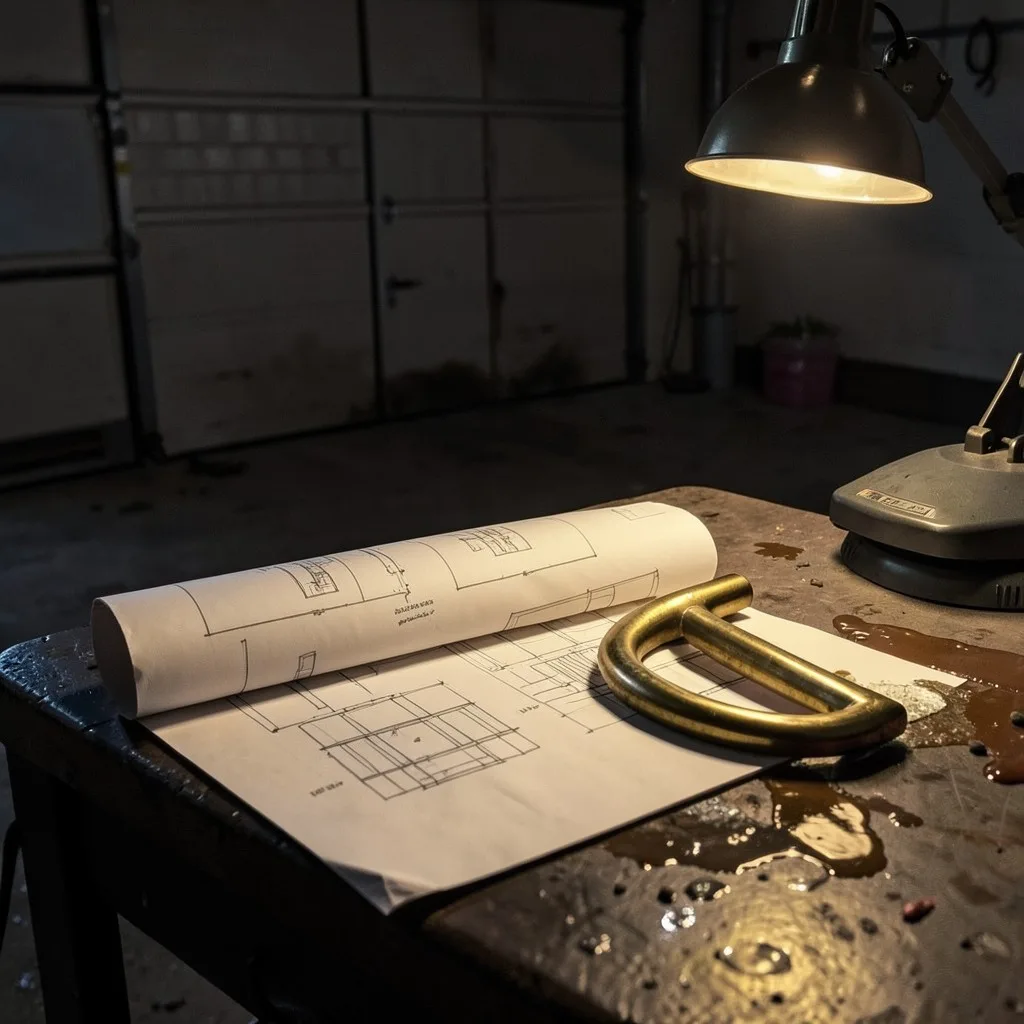
The written specification — construction, gauge, R-value, spring class, operator pairing, wind rating where required — and the building department’s permit answer both precede the door order. Paper first is what makes quotes comparable and inspections uneventful; discovering either after fabrication is the expensive sequence.

Rolled drawings and hardware sample on a workbench

Old system out safely

Tear-out starts at the most dangerous component: the old counterbalance is de-tensioned with winding bars in controlled quarter-turns before anything else moves. Then sections come down in order, old track unbolts, and the opening gets checked square and sound. The hazardous hour is scripted precisely so it stays boring.

New track and spring hardware being set

Commissioned, not just closed

Commissioning proves the install rather than declaring it: balance at half height on the release, closing force at minimum effective, reversal against a block, perimeter seal continuous, permit inspection booked where one applies. The spec sheet and spring rating stay with the house — the next service call will want both.

Finished door seal line at the concrete

Ready when you are. One call, one local pro.

Describe the door, the symptom and your ZIP — routing finds the licensed contractor while you're on the line.

Call (800) 555-0167

What moves a installation quote up or down?

No prices on this page by design — routing pages carry the number, not the numbers. These are the real levers behind any quote, so the conversation at the door starts honest.

Construction tier

Single-skin builder grade, vinyl-backed, or double-skin foam sandwich — the panel build is the price backbone, and also the stiffness, quiet and dent-resistance you live with daily for the next two decades.

Size and framing reality

Doubles cost more than singles everywhere; a resized opening adds framing labour and usually a permit inspection. The measured visit prices the opening you have, not the catalogue default — and catches the framing surprises before install day does.

Insulation package

R-value costs at purchase and pays back on attached and conditioned garages. On a detached shell, it is optional stiffness; on a room-over-garage house, it is the line worth upgrading while the door is already being specified.

Hardware class carried over

Spring cycle rating, roller quality and operator pairing ride along with the door decision — the install visit is the cheapest moment those upgrades will ever have — the labour is already on the ladder.

Where does installation have a local page?

Every city below carries its own installation page — local spring-life data, code answers and the routed line. Full list on the coverage directory.

Garage Door Installation — straight answers

Can a new door go in the existing tracks?

No — and any installer proposing it is cutting a corner that matters. Track is engineered to the door: radius, gauge, and spacing married to panel thickness and weight. Reusing old track under a new door voids listings, misaligns rollers, and puts a fresh warranty on hardware with fifteen years of wear. Doors ship as systems; they get installed as systems.

What is the real difference between builder-grade and upgraded doors?

Steel gauge, insulation, and hardware rating — the three things you cannot see from the driveway. Builder-grade means the thinnest practical skin, hollow or minimally filled panels, 10,000-cycle springs and standard rollers. One tier up buys thicker steel that resists denting, foam that stiffens the panel and quiets the drive, and hardware with real fatigue margin. The visible style costs little; the invisible spec is where quotes genuinely differ.

How should a homeowner prepare for install day?

Clear a working corridor: vehicles out, both sides of the opening empty a car-length deep, track path and ceiling rail clear of storage, and an outlet accessible for the crew. Confirm who is home to approve the final walk-through, and keep pets away from the work zone — de-tensioning old springs is the one genuinely hazardous hour of the day. Everything else is the crew’s problem, which is the point of hiring one.

How long does a garage door installation take?

The on-site work is typically four to six hours for a single door with a same-size opening — tear-out, new track and springs, sections, opener connection and safety tests. The calendar time is dominated by the door order: stock profiles arrive in days, custom sizes, insulation packages and wind-rated assemblies in weeks. A resized opening adds framing work and usually a permit inspection to the schedule.

What is R-value and does it matter on a garage door?

R-value measures insulation resistance — higher means less heat transfer through the panels. It matters in proportion to what is behind and above the garage: a conditioned room over the garage or a workshop behind it makes double-digit R-value worthwhile; a detached shell garage does not. Insulated doors are also stiffer and quieter, which is why the spec question deserves a real answer rather than a default.

Should the opener be replaced with the door?

Not automatically, but the install visit is the cheapest moment to do it. The decision hinges on the opener’s age and safety compliance: pre-1993 units without photo eyes should go regardless, and older units may lack the force capacity for a heavier insulated replacement door. A healthy, compliant opener carries over — a competent installer tests it against the new door’s weight rather than quoting a bundle reflexively.

What actually determines whether the job needs a permit?

Jurisdiction, and what changes. Like-for-like replacement in the existing opening is exempt in many places; altering the opening size, header or framing is permitted work almost everywhere; and some jurisdictions require permits for any door replacement. The deciding voice is the local building department, not the installer’s habit — a licensed contractor confirms rather than assumes, because unpermitted structural work surfaces at inspection when the house sells.

What should a written installation quote include?

Door make, model and panel construction; insulation R-value if any; wind rating where applicable; spring type and cycle rating; track radius; opener handling (keep, service or replace); permit responsibility; tear-out and haul-away; and the safety tests to be run at commissioning. A quote that names those items is comparable against other quotes; one that says “new door, installed” is not.

How long from call to installed door?

The on-site work is typically four to six hours; the calendar time is the door order. Stock profiles arrive in days, custom sizes and insulation packages in weeks. A resized opening adds framing work and usually a permit inspection to the schedule — one more reason the measured visit comes first.

Does the opener come with the door?

Not automatically. A healthy, compliant opener carries over after being tested against the new door’s weight. Pre-1993 units without photo eyes should be replaced regardless, and where state law imposes requirements on newly installed openers, the quote settles compliance before install day.

What happens to the old door?

Tear-out and haul-away belong on the quote as named line items — sections, track, springs and packaging all leave with the crew on a professional install. Old torsion hardware in particular should never linger in a garage: a wound spring in a scrap pile is the same hazard it was on the shaft. If a quote is silent on disposal, ask; the answer tells you how complete the rest of the scope is.