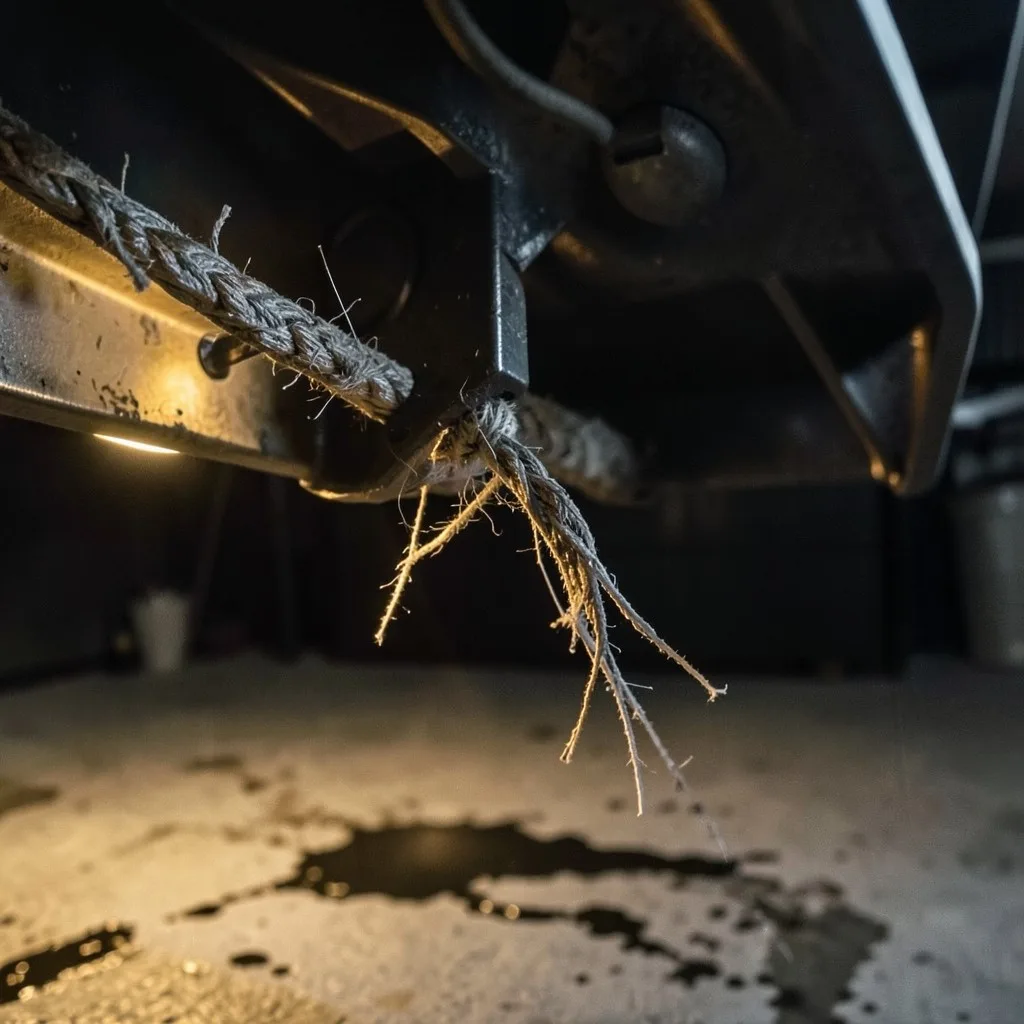
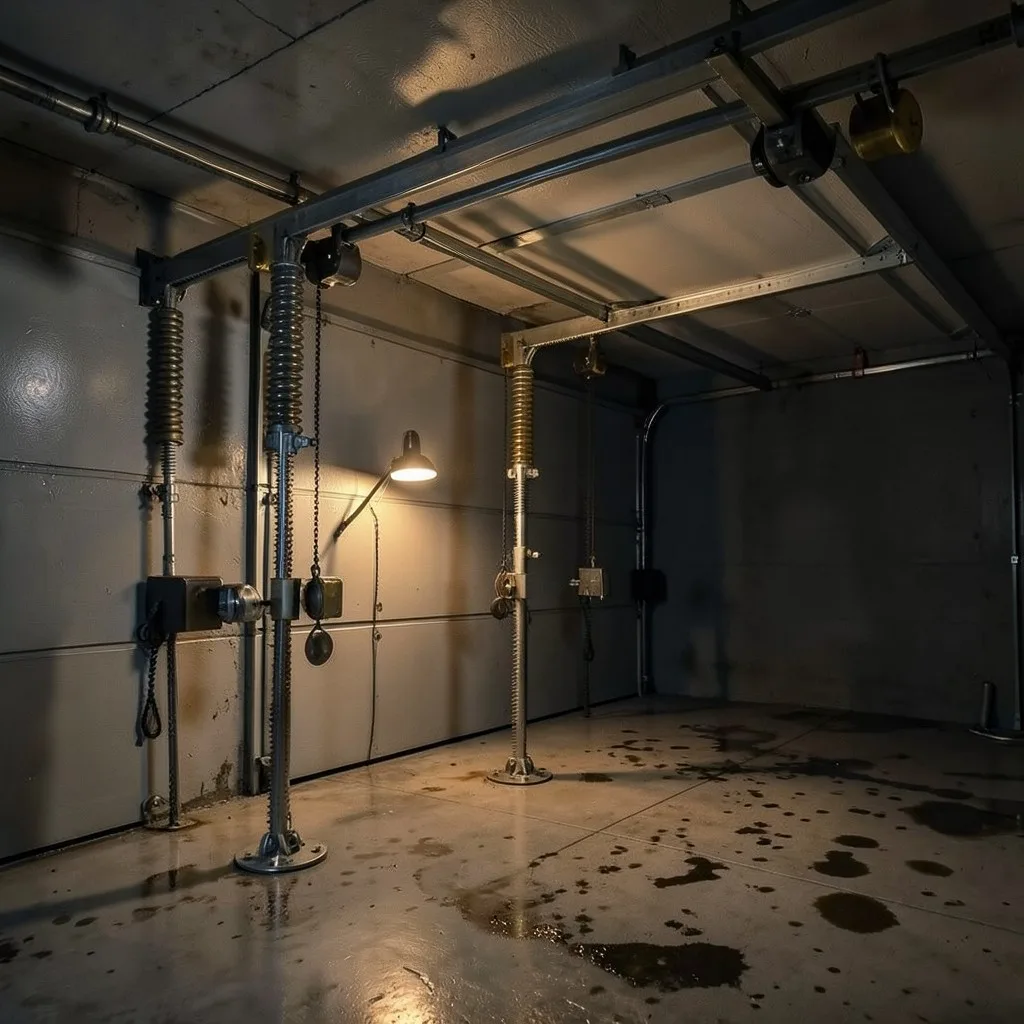
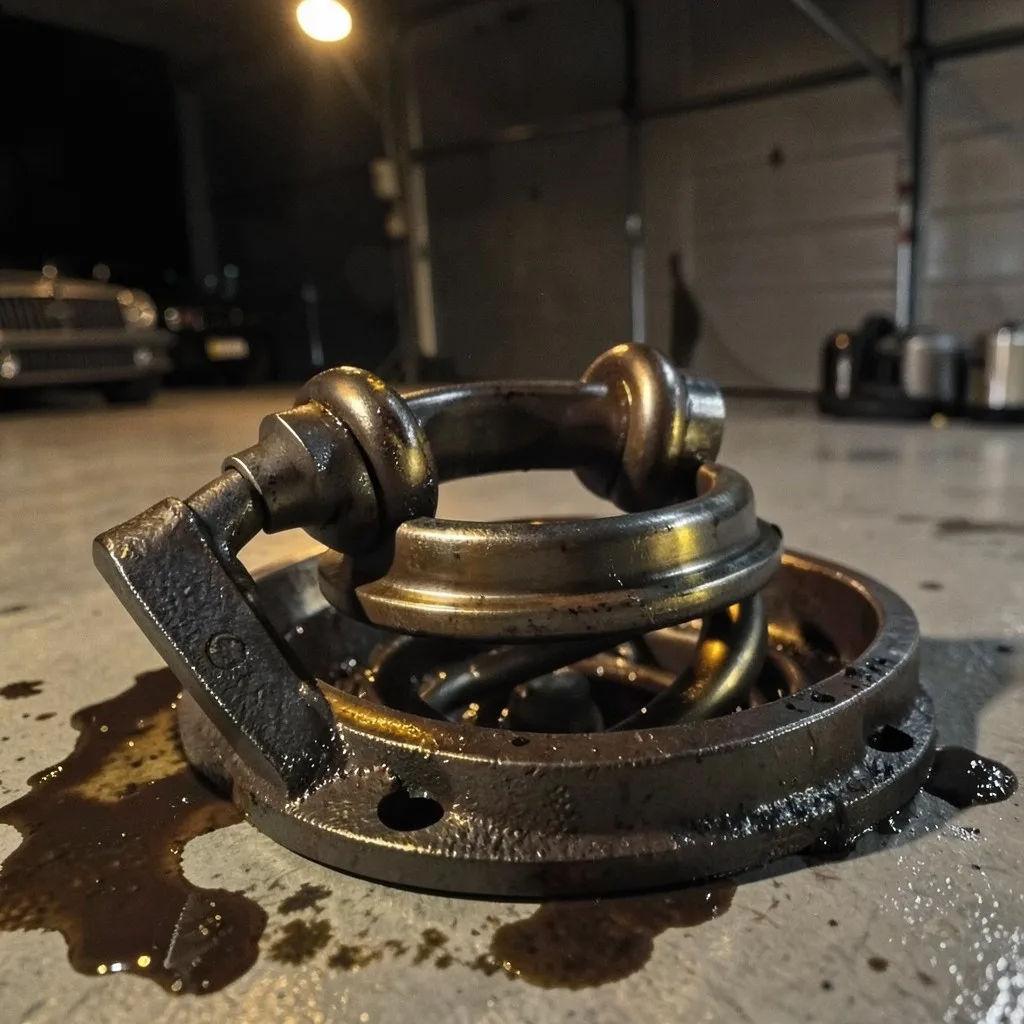
The shaft above the door is the machine that does the lifting. Torsion springs wound around it store torque; cables running from drums at each end down to the bottom brackets convert that torque into lift. Wind the springs to the door’s measured weight and the whole assembly floats — a 200-pound door that one hand can raise. Every part of the system is sized against that weight: wire gauge, drum diameter, cable strand, track radius.
That is why spring work is measurement work. A spring that is close-but-wrong leaves the door heavy at the floor or slamming at the top, strains the opener every cycle, and wears the cables unevenly. And it is why the balance test — door floating at half height with the opener released — is the only handback proof that matters. If the door floats, the mathematics of the whole counterbalance is right; if it fights, something in the chain was guessed.
One more number worth knowing before the visit: springs are consumable by design. The counterbalance is engineered to be re-sprung several times across a door’s structural life, the way tires turn over on a car. A first or second replacement inside the expected window is the system working — which is why the cycle-rating decision at each replacement matters more than the failure that triggered it.
// TERMS THAT DECODE THE QUOTE
Torsion spring
The wound steel spring on the shaft above the door that stores lifting energy by twisting — the modern standard, contained on its shaft at failure.
Cycle rating
A spring’s fatigue-life estimate in open-close cycles at working torque: 10,000 standard, 15,000–25,000+ upgrades.
Winding cone
The slotted fitting at the spring’s end that winding bars seat into — the only safe interface for adding or releasing tension.