Can a failed commercial door be secured without full repair?
Yes — make-safe is standard practice when parts carry lead time. The door is secured against movement and the opening against intrusion: curtain locked or blocked, operator isolated, temporary barriers where the opening must stay passable. Documented make-safe protects both safety and insurance position while the specified parts ship. It is the interim step, not the repair.
What records should a commercial repair produce?
A findings report with photographs, the measured condition of springs or barrel, operator duty class and condition, the executed scope with parts specifications, and post-repair verification results. Facilities carrying insurance or fire-code obligations need the paper trail — and the next contractor to touch the door works twice as fast against a documented baseline. Paper is cheap; rediscovery is not.
What does “duty cycle” mean on a commercial operator?
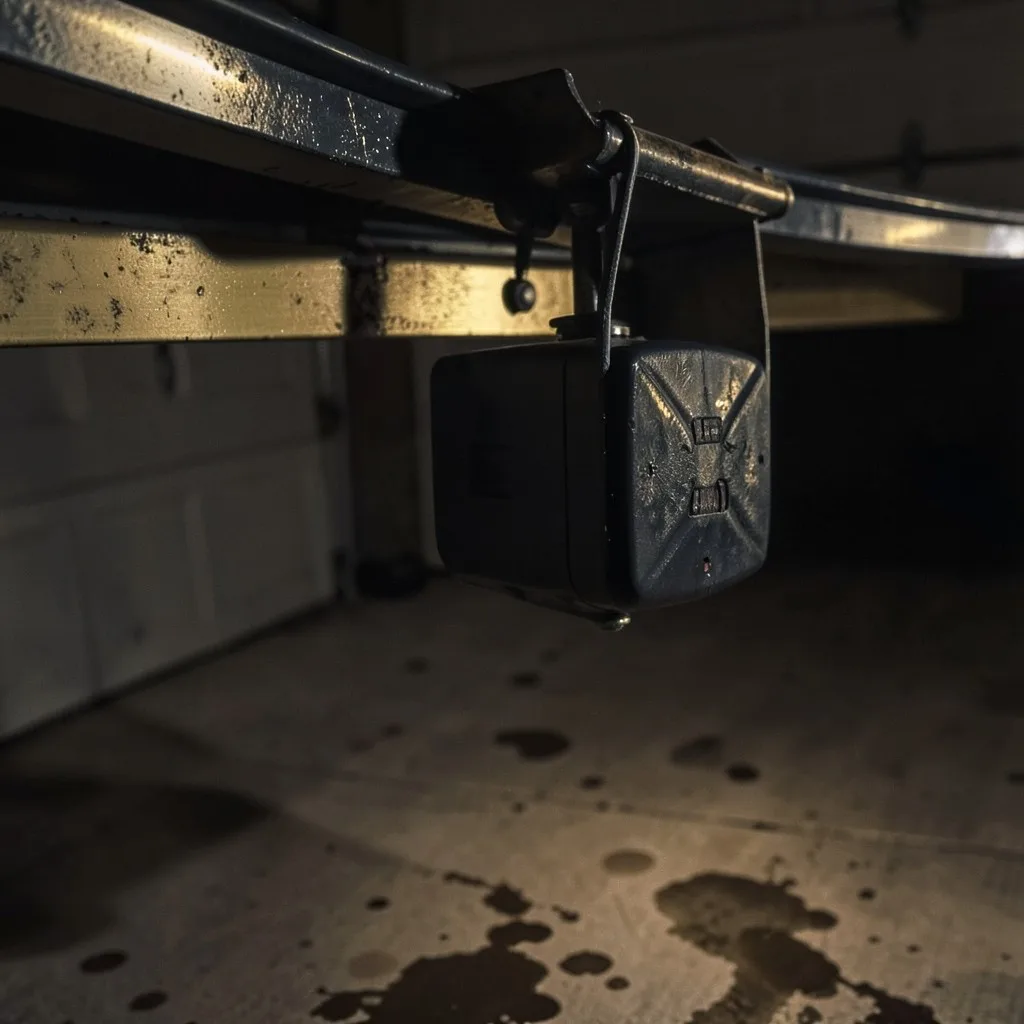
The operator’s rated frequency of use — how many cycles per hour, sustained, the motor and gearing are built for. A standard-duty operator on a high-traffic dock door overheats, trips breakers and fails early; the fix is matching the operator class to real traffic, not upsizing horsepower. Duty class is on the operator plate, and a repair visit should confirm it against how the door actually gets used — traffic counts change, and yesterday’s correct class quietly becomes today’s undersized one.
Why do rolling steel doors need specialist attention?
The failure modes are different in kind: barrel spring tension inside a coil housing, slat and endlock wear, guide alignment, and curtain balance interact in ways sectional-door experience does not cover. A telescoping curtain or uneven coil is feeding damage into every slat each cycle. Contractors routed for commercial calls work on coiling systems specifically — it is a distinct hardware family, not a bigger residential door.
How long do garage door springs last in Bonita?
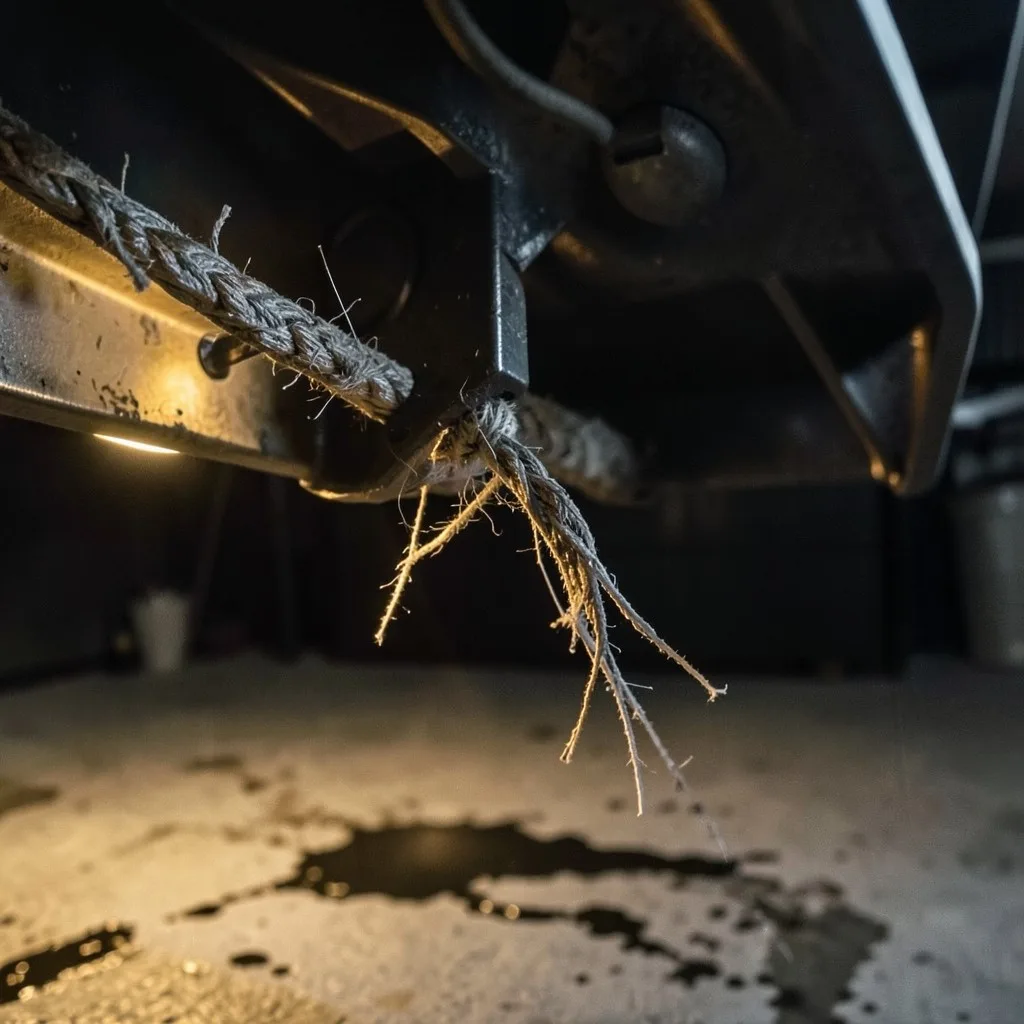
Bonita’s mild climate is easy on spring steel: 10 to 13 years from a standard set is typical, the top of the national range. With only 2,018 heating degree days a year in San Diego County, cycle count — not weather — is what retires springs here, so heavy daily use is the number to watch.
What garage door problems are most common in Bonita homes?
The 1970s-era build wave dominates Bonita, and its doors are on second or third spring sets: expect spring fatigue, drive-gear failures on aging openers, and roller wear. 69% of local homes predate 1980, which is why pros here check the whole system, not just the reported part.
Does CA law require a battery backup on my new garage door opener?
It does — across California, Bonita included. SB-969 has required battery backup on every automatic residential opener sold or installed in the state since July 1, 2019, with a civil penalty per non-compliant unit (Health & Safety Code §§ 19890-19892). The law also blocks connecting a replacement door to a non-compliant opener, which is why installation quotes in San Diego County must address the opener even when only the door is changing.
Do I need a permit for garage door work in Bonita?
It depends on the work. Replacing or installing a garage door commonly requires a building permit in California jurisdictions — always when the structural opening changes, and many cities require one for like-size replacement as well. Verify with the city or county building department before work begins. Component-level work — spring pairs, cables, rollers, a straight opener swap — is generally exempt from permitting across California jurisdictions. The reliable answer comes from the San Diego County building authority — a licensed contractor confirms before ordering a door rather than assuming.
How does the call routing actually work?
One number, one hop: your call is routed to an independent, licensed garage door contractor serving Bonita — selected by ZIP across the 2 covered code(s) here. This site does not perform work or take a cut of your bill; it is compensated by the network when a call connects. Booking decisions stay entirely yours.
What will I be asked when I call?
Expect the practical minimum: ZIP code, what kind of door, what it is doing, and when someone can look at it. The more precisely you can name the symptom — “bang, then dead weight” beats “broken” — the better the parts loadout that arrives in Bonita.
How fast can a pro actually get there?
It depends on the day’s board: acute failures called in early often see a truck the same day in San Diego County, while planned work books days out. You will get the contractor’s honest window on the phone — and if nobody can fit the job, the call simply ends there, no obligation.

 STOP & CALL