What records should a commercial repair produce?
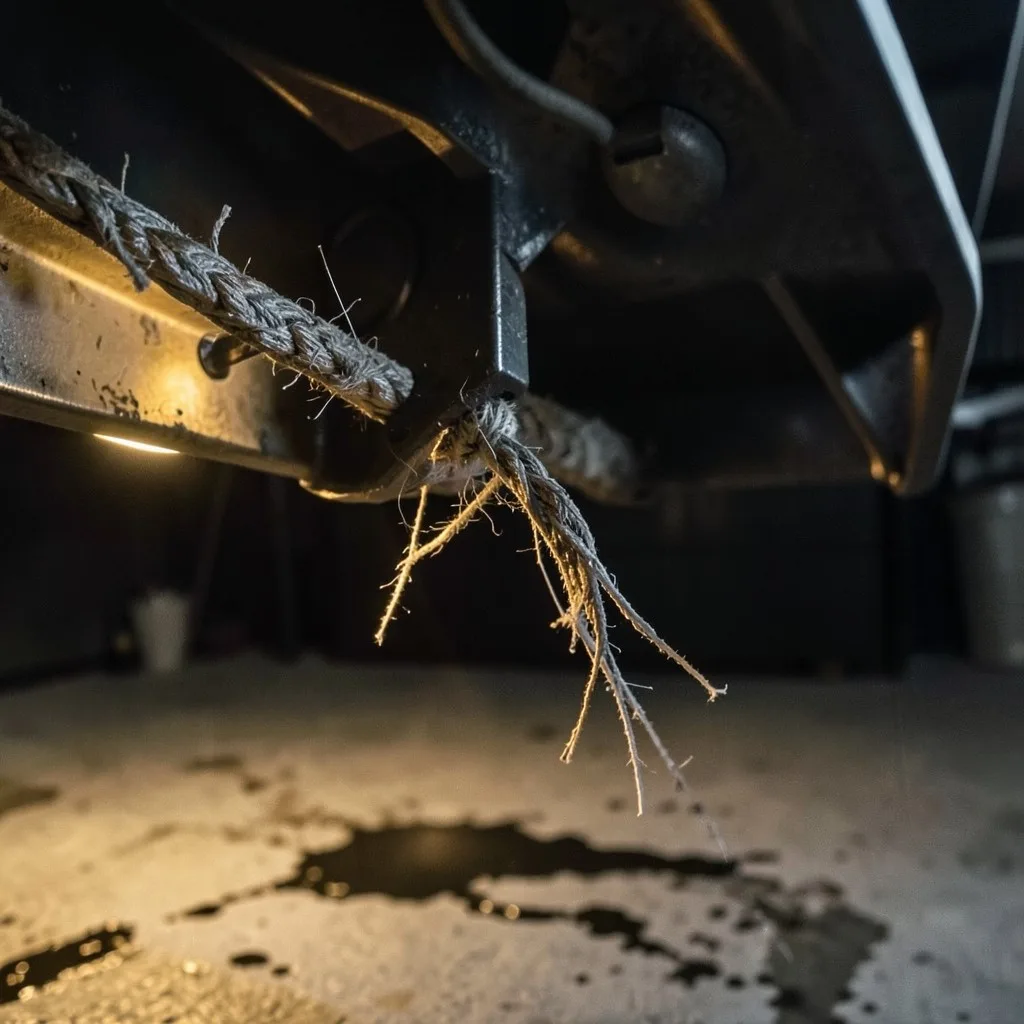
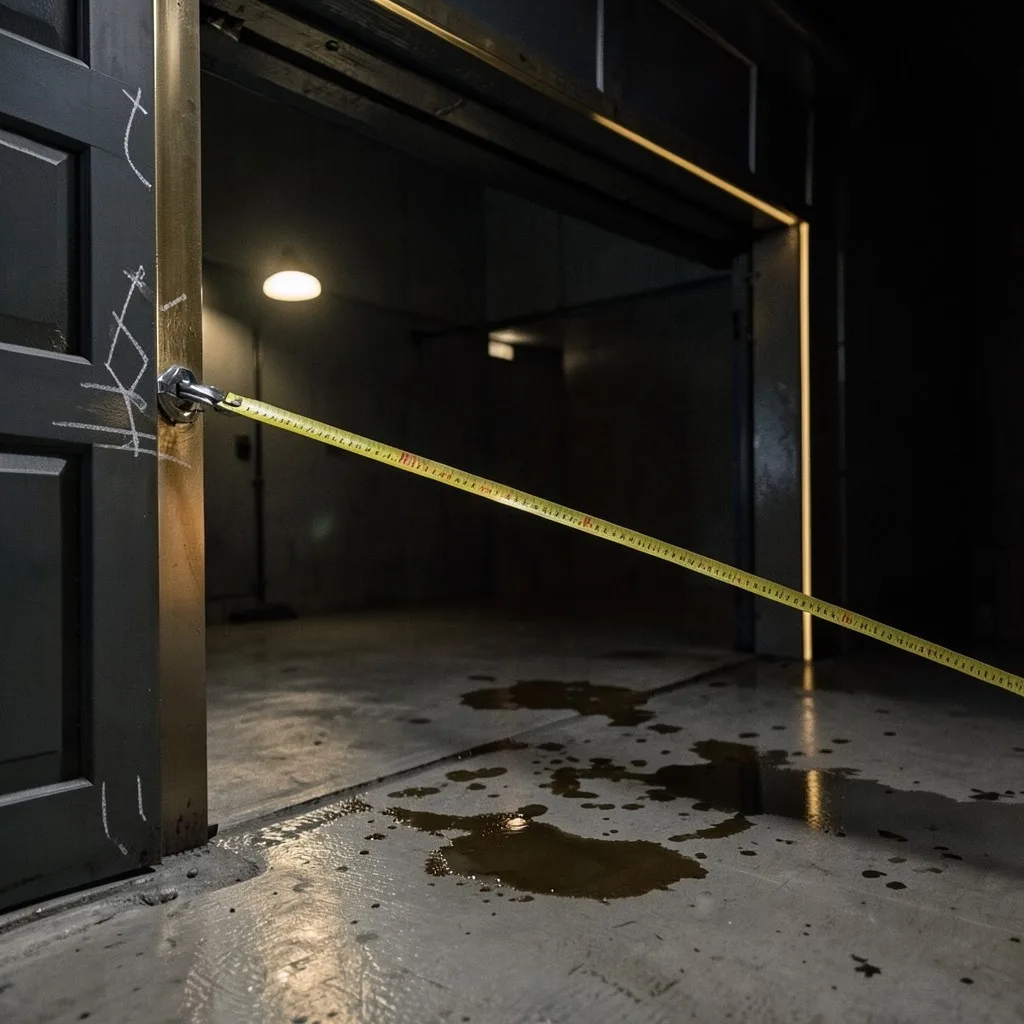
A findings report with photographs, the measured condition of springs or barrel, operator duty class and condition, the executed scope with parts specifications, and post-repair verification results. Facilities carrying insurance or fire-code obligations need the paper trail — and the next contractor to touch the door works twice as fast against a documented baseline. Paper is cheap; rediscovery is not.
Can a failed commercial door be secured without full repair?
Yes — make-safe is standard practice when parts carry lead time. The door is secured against movement and the opening against intrusion: curtain locked or blocked, operator isolated, temporary barriers where the opening must stay passable. Documented make-safe protects both safety and insurance position while the specified parts ship. It is the interim step, not the repair.
Why do rolling steel doors need specialist attention?
The failure modes are different in kind: barrel spring tension inside a coil housing, slat and endlock wear, guide alignment, and curtain balance interact in ways sectional-door experience does not cover. A telescoping curtain or uneven coil is feeding damage into every slat each cycle. Contractors routed for commercial calls work on coiling systems specifically — it is a distinct hardware family, not a bigger residential door.
What does “duty cycle” mean on a commercial operator?
The operator’s rated frequency of use — how many cycles per hour, sustained, the motor and gearing are built for. A standard-duty operator on a high-traffic dock door overheats, trips breakers and fails early; the fix is matching the operator class to real traffic, not upsizing horsepower. Duty class is on the operator plate, and a repair visit should confirm it against how the door actually gets used — traffic counts change, and yesterday’s correct class quietly becomes today’s undersized one.
How long do garage door springs last in Diamond Bar?
Longer than most of the country: 10–13 years, because Los Angeles County’s 2,346 annual heating degree days impose almost no freeze-thaw stress. Springs here die of cycle count. At four openings a day a 10,000-cycle set runs about seven years; lighter use stretches toward the top of the range.
What garage door problems are most common in Diamond Bar homes?
With 52% of Diamond Bar homes built before 1980 and the 1980s the dominant era, original and second-generation hardware failures lead: fatigued springs, stretched cables, seized steel rollers, and openers due safety-generation upgrades. Whole-load-path inspections pay off in this cohort — parts age together.
Does CA law require a battery backup on my new garage door opener?
Yes. Under California’s SB-969 (Health & Safety Code §§ 19890-19892), any powered residential garage door opener sold or installed from July 1, 2019 onward must include battery backup capable of working the door when the grid is down. Selling or installing a non-compliant unit carries a four-figure civil penalty per opener — and a replacement door may not legally be connected to a non-compliant opener. For Diamond Bar homeowners this makes the opener question part of every door quote.
Do I need a permit for garage door work in Diamond Bar?
For repairs, generally no; for installation, often yes. Door installation is frequently permitted work in California: any change to the structural opening triggers a permit everywhere, and a number of cities permit even like-for-like replacements. The local building department's answer is the one that counts — confirm before the door is ordered. Component repair is different: Repairs that replace parts in kind (springs, cables, rollers, openers) typically fall outside permit requirements in California cities. When in doubt, the Los Angeles County building department’s answer is the one that counts.
How does the call routing actually work?
Think of the number as a switchboard with one job: putting you on the phone with an independent licensed contractor who actually covers Diamond Bar. This site publishes the local facts and takes a network referral fee when calls connect — the work, the pricing and the relationship are entirely between you and the contractor.
What will I be asked when I call?
Have four answers ready and the call is short: where (ZIP), what (door type, single or double), which (opener brand), and how it is failing. Precision on the fourth answer is what loads the right parts — the difference between diagnosis day and repair day.
How fast can a pro actually get there?
Same-day dispatch is common in Diamond Bar for morning calls on acute failures — stuck doors and snapped springs get priority. Scheduled work (installs, maintenance, commercial scopes) books by appointment. The routed contractor quotes their real window on the call; nothing here promises times the local schedule cannot keep.

 STOP & CALL