What can homeowners maintain themselves safely?
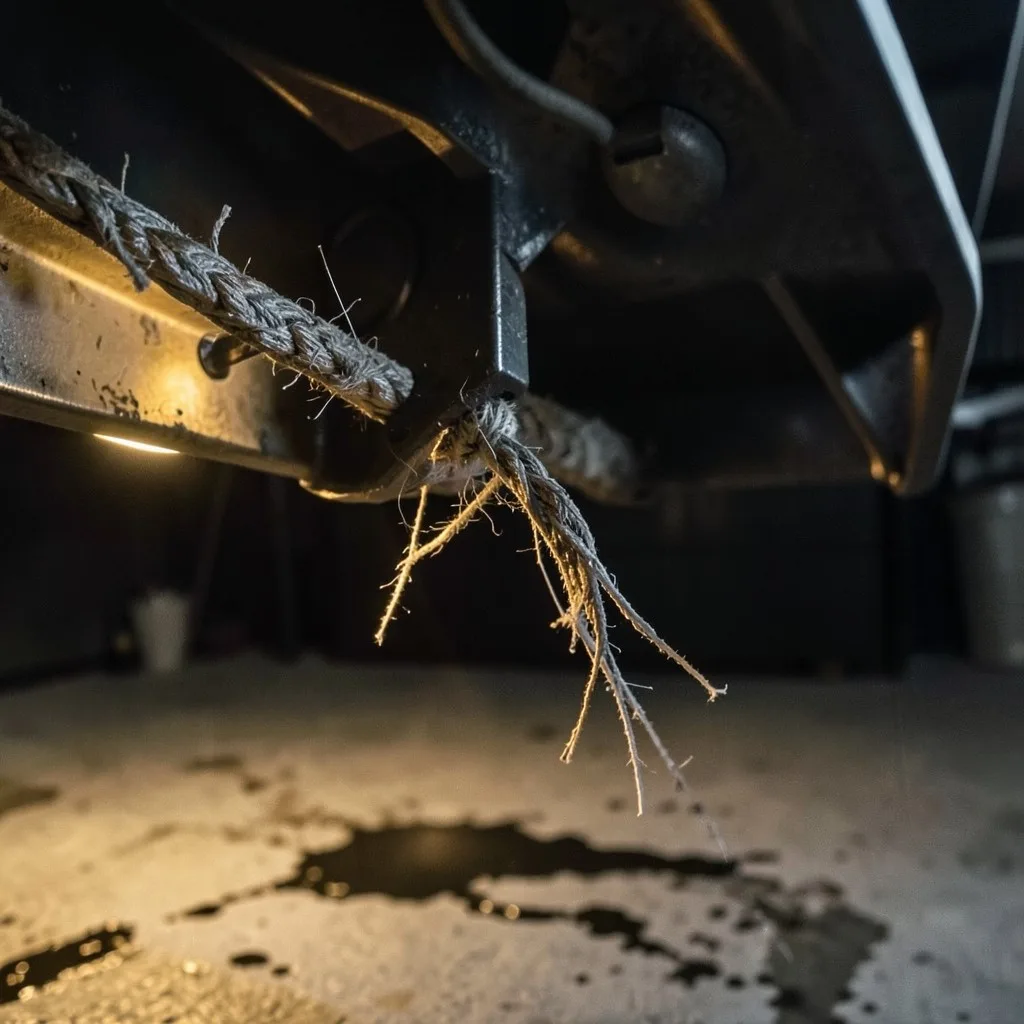
The observational and low-energy layer: monthly balance test (door down, release, half-lift), quarterly reversal test with a board under the door, photo-eye cleaning and alignment, hinge and roller lubrication with the correct product, and visual checks for cable fray and coil gaps. The line not to cross: anything touching spring tension, cable anchors or bottom brackets — that hardware is loaded even at rest.
Does maintenance actually extend spring life?
It extends system life and buys warning, which is the point. Spring fatigue itself is cycle-driven, but a balanced, lubricated door lowers peak torque on every lift — and the measured checks date the spring’s decline instead of letting it surprise you. The economic case is straightforward: the same replacement done as scheduled work versus as an emergency call, minus the collateral wear a failing spring inflicts on the opener meanwhile. The arithmetic favours the calendar every time.
What lubricant is right — and what should never be used?
Garage-door-rated lithium or silicone products, applied to springs, hinges, roller bearings and the opener rail contact points. The wrong answer is general-purpose penetrating oil: it strips existing grease, attracts grit, and leaves parts drier than before within weeks. Tracks get cleaned, not lubricated — a greased track collects debris that seizes rollers.
How often should a garage door be serviced?
Annually for a typical household door, twice-yearly at heavy use (six-plus cycles a day) or where winters are hard. The interval logic is fatigue-based: springs and cables wear by cycle count, and annual inspection catches drift about half a spring-life before failure. The homeowner’s monthly balance and reversal checks fill the gap between visits — neither replaces the other, and the two together cover the whole failure surface.
How long do garage door springs last in Lake Forest?
Longer than most of the country: 11–15 years, because Orange County’s 1,397 annual heating degree days impose almost no freeze-thaw stress. Springs here die of cycle count. At four openings a day a 10,000-cycle set runs about seven years; lighter use stretches toward the top of the range.
What garage door problems are most common in Lake Forest homes?
Newer stock, newer failure profile: Lake Forest skews post-1980, so calls run to builder-grade springs hitting their 10,000-cycle limit on schedule, opener electronics (boards, eyes, remotes), and panel damage. The springs installed by production builders are the minimum rating — their first failure is the moment to buy the upgrade.
Does CA law require a battery backup on my new garage door opener?
Yes. Under California’s SB-969 (Health & Safety Code §§ 19890-19892), any powered residential garage door opener sold or installed from July 1, 2019 onward must include battery backup capable of working the door when the grid is down. Selling or installing a non-compliant unit carries a four-figure civil penalty per opener — and a replacement door may not legally be connected to a non-compliant opener. For Lake Forest homeowners this makes the opener question part of every door quote.
Do I need a permit for garage door work in Lake Forest?
For repairs, generally no; for installation, often yes. Door installation is frequently permitted work in California: any change to the structural opening triggers a permit everywhere, and a number of cities permit even like-for-like replacements. The local building department's answer is the one that counts — confirm before the door is ordered. Component repair is different: Like-for-like component repair (springs, cables, rollers, opener swap) generally does not require a permit in most California jurisdictions. When in doubt, the Orange County building department’s answer is the one that counts.
How does the call routing actually work?
Think of the number as a switchboard with one job: putting you on the phone with an independent licensed contractor who actually covers Lake Forest. This site publishes the local facts and takes a network referral fee when calls connect — the work, the pricing and the relationship are entirely between you and the contractor.
What will I be asked when I call?
Expect the practical minimum: ZIP code, what kind of door, what it is doing, and when someone can look at it. The more precisely you can name the symptom — “bang, then dead weight” beats “broken” — the better the parts loadout that arrives in Lake Forest.
How fast can a pro actually get there?
Response windows are set by the contractor’s live board, not by marketing copy: acute failures get priority and often same-day response in Lake Forest; planned work books like any trade visit. The honest window comes on the call — and declining it costs nothing.


 DIAGNOSE