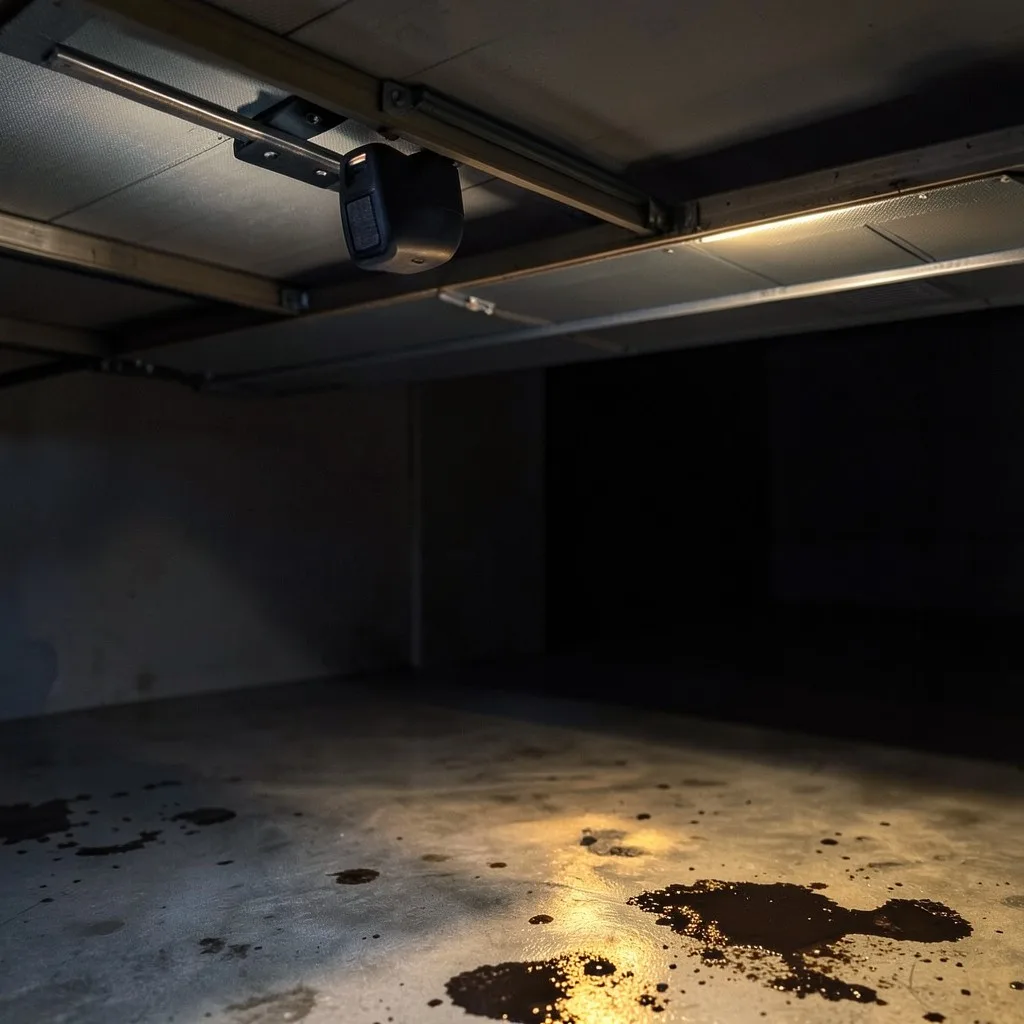
Are the photo eyes required, or can they be bypassed?
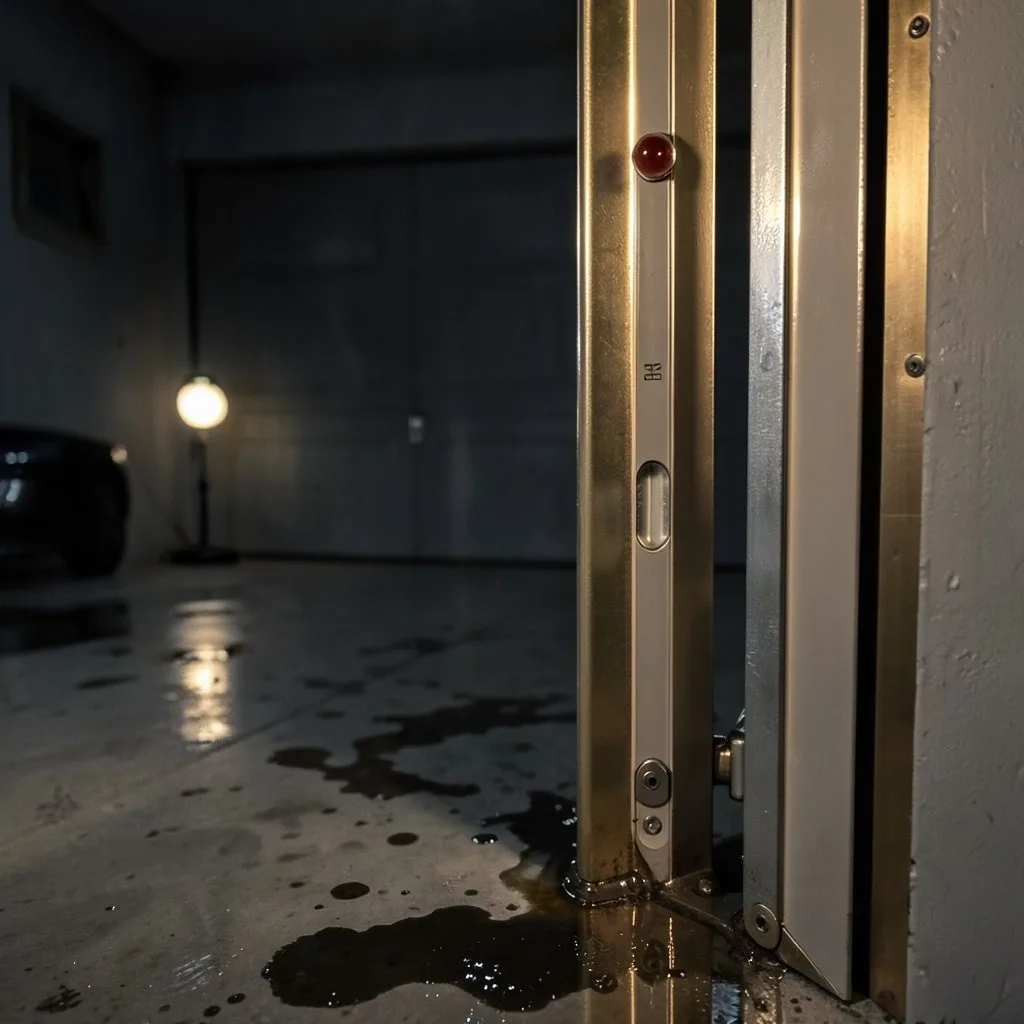
Required — and permanently. Since 1993, federal safety rules (UL 325) have required automatic residential openers to carry an entrapment-protection system, which in practice means the photo-eye pair. Bypassing them removes the mechanism that stops a closing door meeting a child or pet. A pro will realign or replace faulty eyes but will not hard-wire around them; an opener old enough to predate them belongs in the replacement conversation on safety grounds alone.
What do the blinking lights on the opener mean?
Modern openers self-diagnose through blink codes — a repeating flash count on the main light or a status LED. The mapping is brand-specific, but across brands the most common codes point at the photo eyes: obstructed, misaligned, or wiring-faulted. Count the flashes before calling; with the brand name, that count often tells the dispatcher exactly which part belongs on the truck.
Why does the opener hum but not move the door?
The motor is running with nothing attached to the load — almost always a stripped main drive gear. The gear is nylon by design, a sacrificial part meant to fail before the motor burns out, and it announces itself with white shavings inside the cover. It is a standard bench repair. The follow-up question matters more: gears usually strip because the door got heavy, so a balance check on the springs belongs to the same visit.
Is a smart opener upgrade worth it during a repair?
Sometimes — and the honest version depends on what is failing. If the logic board is already the failed part on an aging unit, stepping to a current model with app control, battery backup and rolling-code security often beats sourcing an obsolete board. If the fault is a gear or an eye on an otherwise healthy opener, the repair wins and the smart features can wait. The math changes where state law requires battery backup on any newly installed unit.
How long do garage door springs last in Salinas?
Longer than most of the country: 10–13 years, because Monterey County’s 2,760 annual heating degree days impose almost no freeze-thaw stress. Springs here die of cycle count. At four openings a day a 10,000-cycle set runs about seven years; lighter use stretches toward the top of the range.
What garage door problems are most common in Salinas homes?
With 57% of Salinas homes built before 1980 and the 1970s the dominant era, original and second-generation hardware failures lead: fatigued springs, stretched cables, seized steel rollers, and openers due safety-generation upgrades. Whole-load-path inspections pay off in this cohort — parts age together.
Does CA law require a battery backup on my new garage door opener?
Yes. Under California’s SB-969 (Health & Safety Code §§ 19890-19892), any powered residential garage door opener sold or installed from July 1, 2019 onward must include battery backup capable of working the door when the grid is down. Selling or installing a non-compliant unit carries a four-figure civil penalty per opener — and a replacement door may not legally be connected to a non-compliant opener. For Salinas homeowners this makes the opener question part of every door quote.
Do I need a permit for garage door work in Salinas?
For repairs, generally no; for installation, often yes. Expect the permit question on any California install: altering the opening is permitted work in every jurisdiction, and some cities extend the requirement to same-size swaps. A licensed contractor checks with the building department first rather than assuming. Component repair is different: Component-level work — spring pairs, cables, rollers, a straight opener swap — is generally exempt from permitting across California jurisdictions. When in doubt, the Monterey County building department’s answer is the one that counts.
How does the call routing actually work?
This site is a referral service, not a contractor. The number routes your call through eLocal’s network to an independent licensed contractor covering Salinas — matched on your ZIP and the work you describe. The call is free, you are never obligated to book, and the contractor you speak with is the business that would do the work.
What will I be asked when I call?
Expect the practical minimum: ZIP code, what kind of door, what it is doing, and when someone can look at it. The more precisely you can name the symptom — “bang, then dead weight” beats “broken” — the better the parts loadout that arrives in Salinas.
How fast can a pro actually get there?
Response windows are set by the contractor’s live board, not by marketing copy: acute failures get priority and often same-day response in Salinas; planned work books like any trade visit. The honest window comes on the call — and declining it costs nothing.


 DIAGNOSE