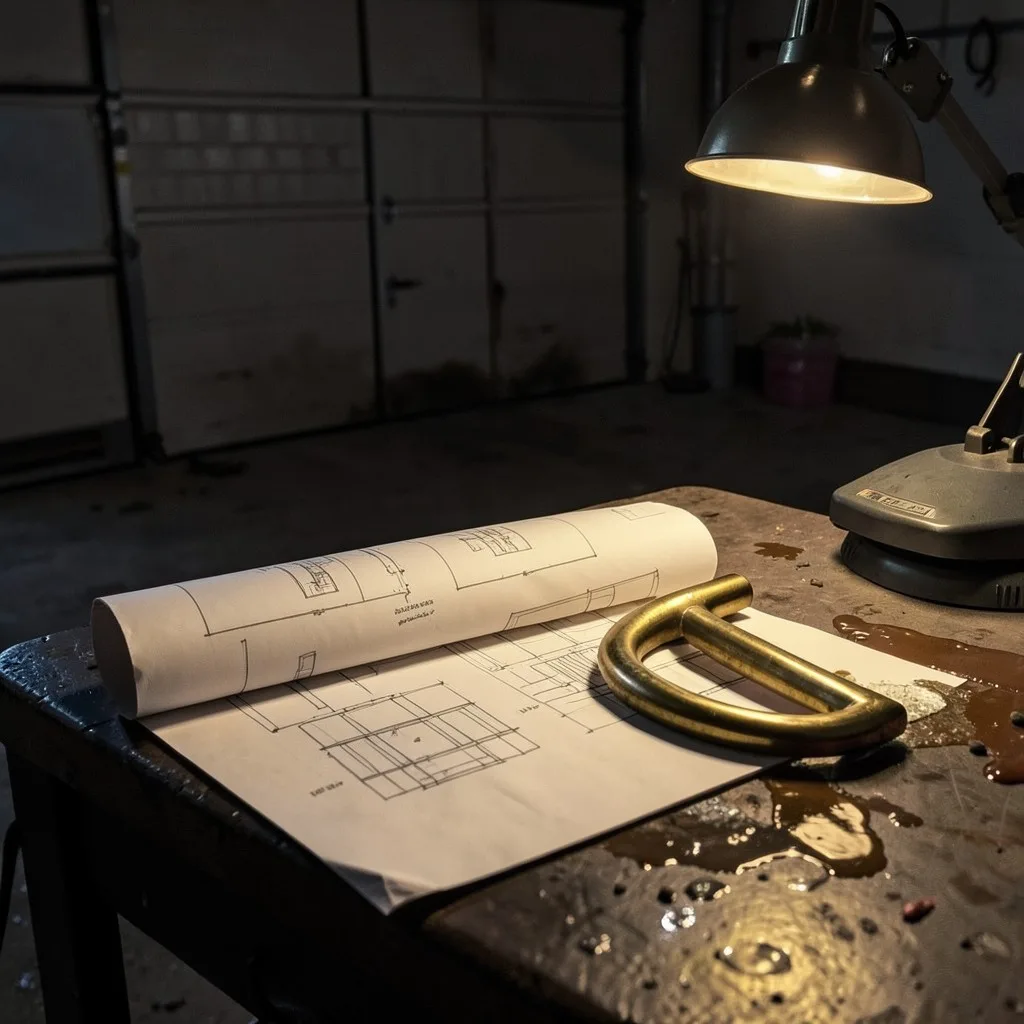
What actually determines whether the job needs a permit?
Jurisdiction, and what changes. Like-for-like replacement in the existing opening is exempt in many places; altering the opening size, header or framing is permitted work almost everywhere; and some jurisdictions require permits for any door replacement. The deciding voice is the local building department, not the installer’s habit — a licensed contractor confirms rather than assumes, because unpermitted structural work surfaces at inspection when the house sells.
What should a written installation quote include?
Door make, model and panel construction; insulation R-value if any; wind rating where applicable; spring type and cycle rating; track radius; opener handling (keep, service or replace); permit responsibility; tear-out and haul-away; and the safety tests to be run at commissioning. A quote that names those items is comparable against other quotes; one that says “new door, installed” is not.
What is R-value and does it matter on a garage door?
R-value measures insulation resistance — higher means less heat transfer through the panels. It matters in proportion to what is behind and above the garage: a conditioned room over the garage or a workshop behind it makes double-digit R-value worthwhile; a detached shell garage does not. Insulated doors are also stiffer and quieter, which is why the spec question deserves a real answer rather than a default.
Should the opener be replaced with the door?
Not automatically, but the install visit is the cheapest moment to do it. The decision hinges on the opener’s age and safety compliance: pre-1993 units without photo eyes should go regardless, and older units may lack the force capacity for a heavier insulated replacement door. A healthy, compliant opener carries over — a competent installer tests it against the new door’s weight rather than quoting a bundle reflexively.
How long do garage door springs last in Santa Clara?
Santa Clara’s mild climate is easy on spring steel: 10 to 13 years from a standard set is typical, the top of the national range. With only 2,908 heating degree days a year in Santa Clara County, cycle count — not weather — is what retires springs here, so heavy daily use is the number to watch.
What garage door problems are most common in Santa Clara homes?
The 1950s-era build wave dominates Santa Clara, and its doors are on second or third spring sets: expect spring fatigue, drive-gear failures on aging openers, and roller wear. 60% of local homes predate 1980, which is why pros here check the whole system, not just the reported part.
Does CA law require a battery backup on my new garage door opener?
It does — across California, Santa Clara included. SB-969 has required battery backup on every automatic residential opener sold or installed in the state since July 1, 2019, with a civil penalty per non-compliant unit (Health & Safety Code §§ 19890-19892). The law also blocks connecting a replacement door to a non-compliant opener, which is why installation quotes in Santa Clara County must address the opener even when only the door is changing.
Do I need a permit for garage door work in Santa Clara?
It depends on the work. Expect the permit question on any California install: altering the opening is permitted work in every jurisdiction, and some cities extend the requirement to same-size swaps. A licensed contractor checks with the building department first rather than assuming. Component-level work — spring pairs, cables, rollers, a straight opener swap — is generally exempt from permitting across California jurisdictions. The reliable answer comes from the Santa Clara County building authority — a licensed contractor confirms before ordering a door rather than assuming.
How does the call routing actually work?
One number, one hop: your call is routed to an independent, licensed garage door contractor serving Santa Clara — selected by ZIP across the 7 covered code(s) here. This site does not perform work or take a cut of your bill; it is compensated by the network when a call connects. Booking decisions stay entirely yours.
What will I be asked when I call?
Expect the practical minimum: ZIP code, what kind of door, what it is doing, and when someone can look at it. The more precisely you can name the symptom — “bang, then dead weight” beats “broken” — the better the parts loadout that arrives in Santa Clara.
How fast can a pro actually get there?
Same-day dispatch is common in Santa Clara for morning calls on acute failures — stuck doors and snapped springs get priority. Scheduled work (installs, maintenance, commercial scopes) books by appointment. The routed contractor quotes their real window on the call; nothing here promises times the local schedule cannot keep.


 BOOK SOON