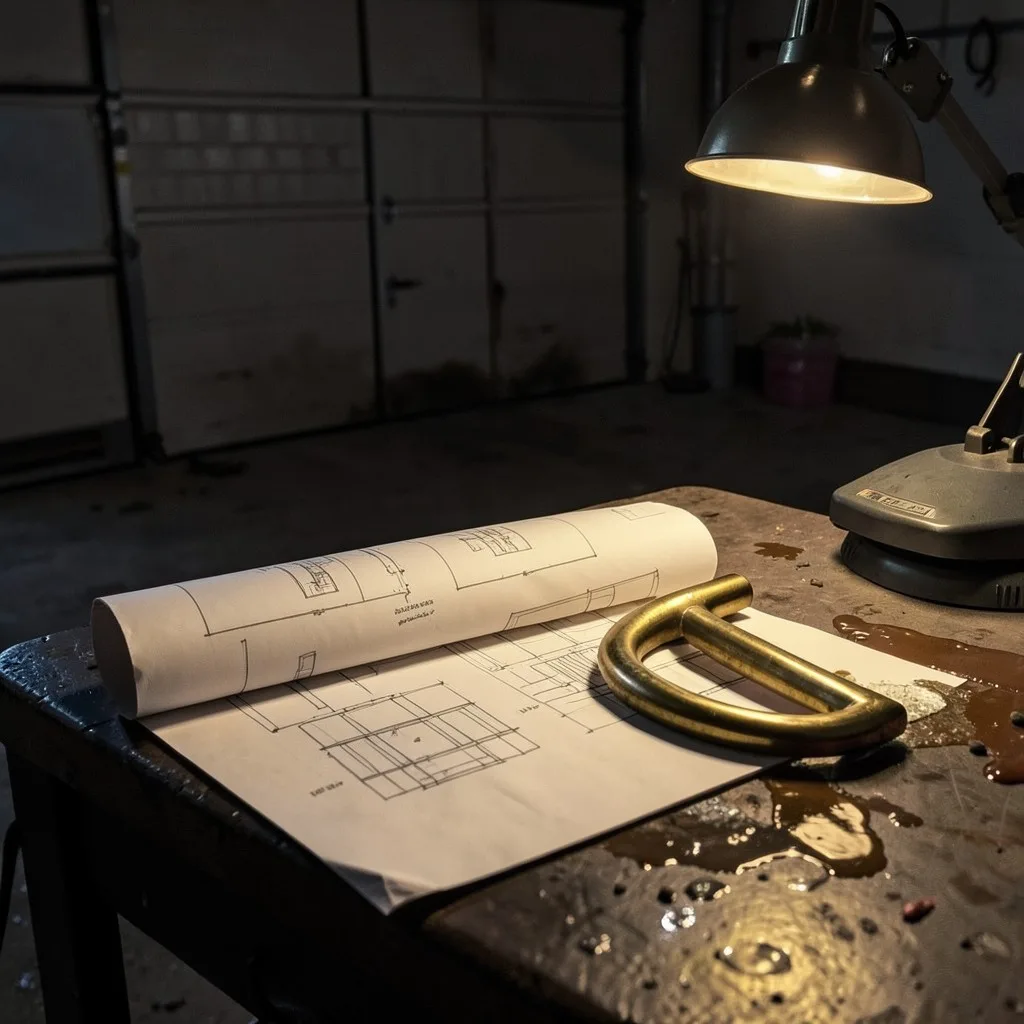
Can a new door go in the existing tracks?
No — and any installer proposing it is cutting a corner that matters. Track is engineered to the door: radius, gauge, and spacing married to panel thickness and weight. Reusing old track under a new door voids listings, misaligns rollers, and puts a fresh warranty on hardware with fifteen years of wear. Doors ship as systems; they get installed as systems.
What is the real difference between builder-grade and upgraded doors?
Steel gauge, insulation, and hardware rating — the three things you cannot see from the driveway. Builder-grade means the thinnest practical skin, hollow or minimally filled panels, 10,000-cycle springs and standard rollers. One tier up buys thicker steel that resists denting, foam that stiffens the panel and quiets the drive, and hardware with real fatigue margin. The visible style costs little; the invisible spec is where quotes genuinely differ.
How should a homeowner prepare for install day?
Clear a working corridor: vehicles out, both sides of the opening empty a car-length deep, track path and ceiling rail clear of storage, and an outlet accessible for the crew. Confirm who is home to approve the final walk-through, and keep pets away from the work zone — de-tensioning old springs is the one genuinely hazardous hour of the day. Everything else is the crew’s problem, which is the point of hiring one.
How long does a garage door installation take?
The on-site work is typically four to six hours for a single door with a same-size opening — tear-out, new track and springs, sections, opener connection and safety tests. The calendar time is dominated by the door order: stock profiles arrive in days, custom sizes, insulation packages and wind-rated assemblies in weeks. A resized opening adds framing work and usually a permit inspection to the schedule.
How long do garage door springs last in Somis?
Around 9 to 12 years for a standard 10,000-cycle set. Ventura County sees roughly 3,029 heating degree days annually — enough freeze-thaw to matter, with failures clustering toward December. Usage is the other axis: at six or more cycles a day, shave years off any estimate.
What garage door problems are most common in Somis homes?
The 1970s-era build wave dominates Somis, and its doors are on second or third spring sets: expect spring fatigue, drive-gear failures on aging openers, and roller wear. 56% of local homes predate 1980, which is why pros here check the whole system, not just the reported part.
Does CA law require a battery backup on my new garage door opener?
It does — across California, Somis included. SB-969 has required battery backup on every automatic residential opener sold or installed in the state since July 1, 2019, with a civil penalty per non-compliant unit (Health & Safety Code §§ 19890-19892). The law also blocks connecting a replacement door to a non-compliant opener, which is why installation quotes in Ventura County must address the opener even when only the door is changing.
Do I need a permit for garage door work in Somis?
It depends on the work. Replacing or installing a garage door commonly requires a building permit in California jurisdictions — always when the structural opening changes, and many cities require one for like-size replacement as well. Verify with the city or county building department before work begins. Component-level work — spring pairs, cables, rollers, a straight opener swap — is generally exempt from permitting across California jurisdictions. The reliable answer comes from the Ventura County building authority — a licensed contractor confirms before ordering a door rather than assuming.
How does the call routing actually work?
Think of the number as a switchboard with one job: putting you on the phone with an independent licensed contractor who actually covers Somis. This site publishes the local facts and takes a network referral fee when calls connect — the work, the pricing and the relationship are entirely between you and the contractor.
What will I be asked when I call?
Have four answers ready and the call is short: where (ZIP), what (door type, single or double), which (opener brand), and how it is failing. Precision on the fourth answer is what loads the right parts — the difference between diagnosis day and repair day.
How fast can a pro actually get there?
Response windows are set by the contractor’s live board, not by marketing copy: acute failures get priority and often same-day response in Somis; planned work books like any trade visit. The honest window comes on the call — and declining it costs nothing.


 BOOK SOON