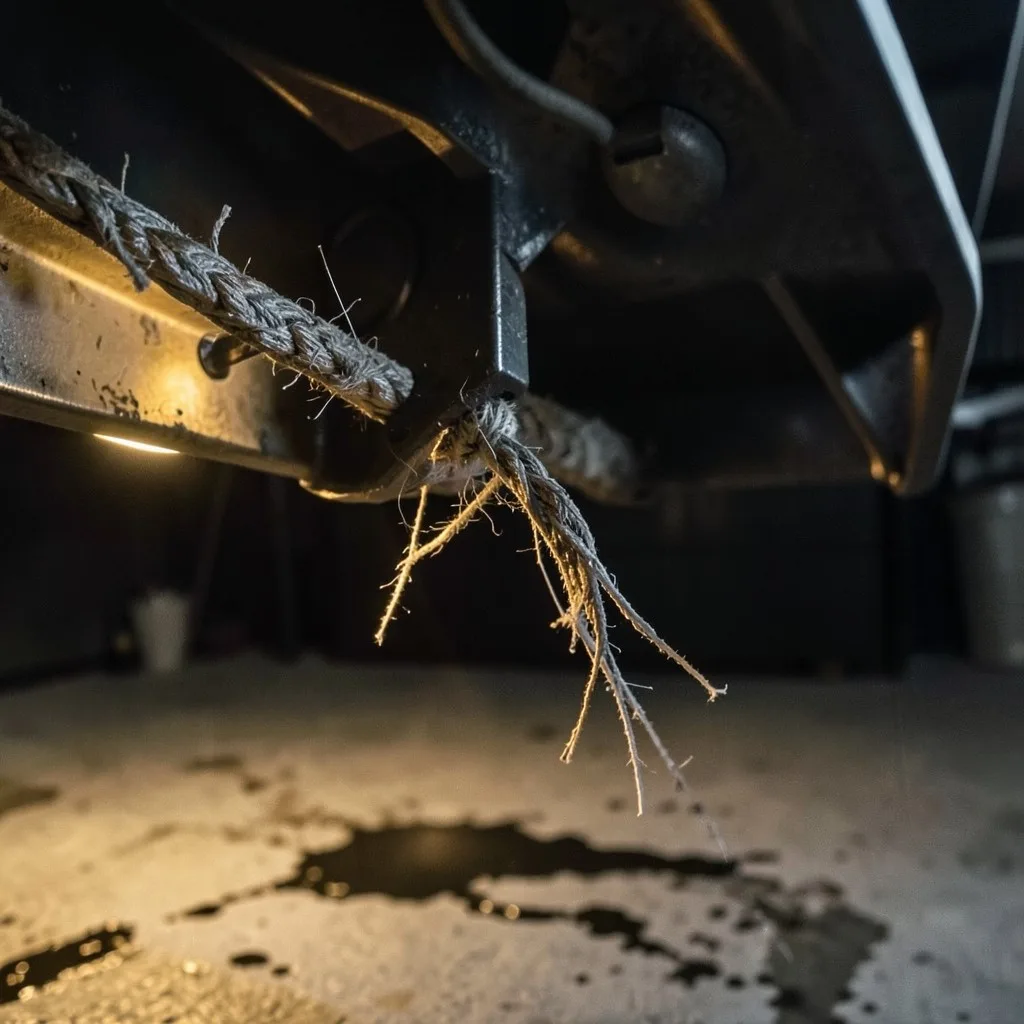
Why replace both springs when only one broke?
Because both springs on the shaft carry identical cycle histories — the survivor is precisely as fatigued as the one that failed, and it statistically follows within months. Since the visit is the dominant cost (the second spring adds only its parts price), pair replacement is cheaper than two single-spring visits by a wide margin. It also keeps the winding balanced so the door lifts level instead of racking.
What do the cycle ratings actually cost, and which should I buy?
Typical retail spread per pair: standard 10,000-cycle steel in the $60–$90 band, 25,000-cycle in the $90–$130 band — call it a $30–$50 difference on a $220–$400 job. At four openings a day, that difference buys you roughly seven years versus seventeen. Unless you are selling the house imminently, the upgrade is the cheapest longevity purchase in the whole system.
Does climate really change how long springs last?
Measurably. Spring steel loses ductility in cold, and hard-winter counties compress spring life toward the bottom of the rated band — the same 10,000-cycle set that runs a decade in coastal California retires years earlier in a high heating-degree-day climate. Every city page on this site carries its county’s NOAA-derived spring-life band; failures cluster into the first sustained cold snap.
Is converting from extension springs to torsion worth the extra cost?
During a replacement, often yes. Torsion systems run smoother, last longer, and fail contained on their shaft instead of whipping hardware across the garage (extension systems require safety cables for exactly that reason). The conversion typically adds $100–$200 over a like-for-like extension job — worthwhile on any door you plan to keep, and standard practice on doors heavy enough to strain extension hardware.
Why is DIY spring replacement such a bad idea if parts are cheap?
Because the danger is not the parts, it is the stored energy: a wound residential torsion spring holds enough torque to break bones, and winding-bar work punishes small mistakes instantly. Emergency departments see the results every winter — hand fractures, amputated fingertips, facial injuries. The labour you would save is roughly one hour of trade time; the licensed trade exists for this exact component.
What should be included in a spring replacement visit?
The pair, matched to the door’s measured weight (not guessed from width); cables inspected and re-seated on the drums; the balance test demonstrated — door floating at half height on the release; opener travel and force re-learned; and the reversal test run. If the quote names the cycle rating and the visit ends with the float test in front of you, you bought the real thing.
Can weather or usage void a spring warranty?
Spring warranties are cycle-based fatigue warranties, and the honest ones say so: a "lifetime" spring warranty typically covers the steel while charging labour for each future swap, which converts your warranty into a repeat labour bill. Read the terms for two things — whether the rating is named, and what each future replacement visit will cost you in labour.
How long does the spring replacement visit actually take?
Sixty to ninety minutes on site for a standard two-spring residential door — the minute-by-minute section above decomposes it. Add time for seized set screws on rusted shafts, companion cable work, or oversize doors running three-plus springs. What should NOT add time is parts hunting: common sizes ride on any properly stocked truck, which is why the door-type and width you give on the phone matter.
Can springs be repaired instead of replaced?
No — spring steel fails by fatigue, and a parted coil cannot be rejoined into rated hardware. Anything marketed as a spring “repair kit” (clamping a break, bridging with brackets) puts unrated improvisation into the highest-energy component in the system. The spring is a consumable by engineering intent; replacement is the repair. The one legitimate mid-life intervention is preventive: light door-rated lubrication against surface corrosion, which slows the fatigue clock without ever touching the tension. Everything else on a spring is destiny by cycle count — budget for the pair, choose the rating, and let the steel do its arithmetic. Ratings, climate and usage set the schedule; the only decisions left are which steel and which calendar day — choose both once, deliberately, and this page retires for a decade.
Do I need to be home for a spring replacement?
For access, yes — the work happens inside the garage. Beyond access, presence pays: you want to watch the balance test at handback (the door floating at half height on the release), receive the old parts if requested, and hear the condition read on cables, rollers and opener. Ninety minutes of mild attention is cheap insurance on a job you will not buy again for years.


 EARLY · LOW END