What does a proper maintenance visit actually include?
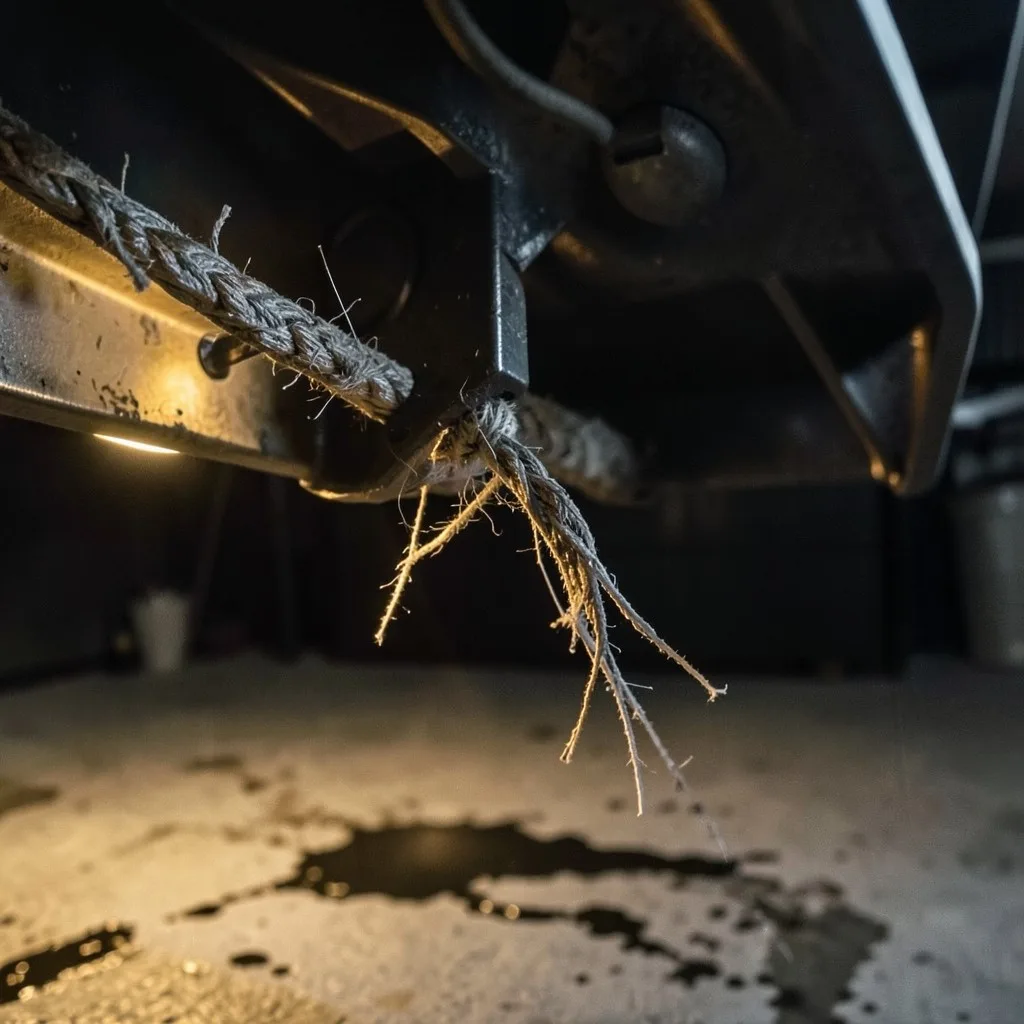
The full load path, measured: spring wear and balance test, cable condition at drums and bottom brackets, roller and hinge inspection, track alignment and fastener torque, opener force and travel calibration, photo-eye alignment and reversal test, weather-seal condition, and lubrication with garage-door-rated products. Under an hour on a healthy door — and each check exists because its failure mode is expensive.
Does skipping maintenance actually void anything?
Frequently, yes. Door and opener warranties commonly condition coverage on documented periodic maintenance and correct lubrication, and insurers handling a vehicle-crush or injury claim will ask about the reversal test history. The paper from an annual service visit is cheap evidence to have on file — and the visit itself usually catches the claim-generating failure first.
What lubricant is right — and what should never be used?
Garage-door-rated lithium or silicone products, applied to springs, hinges, roller bearings and the opener rail contact points. The wrong answer is general-purpose penetrating oil: it strips existing grease, attracts grit, and leaves parts drier than before within weeks. Tracks get cleaned, not lubricated — a greased track collects debris that seizes rollers.
How often should a garage door be serviced?
Annually for a typical household door, twice-yearly at heavy use (six-plus cycles a day) or where winters are hard. The interval logic is fatigue-based: springs and cables wear by cycle count, and annual inspection catches drift about half a spring-life before failure. The homeowner’s monthly balance and reversal checks fill the gap between visits — neither replaces the other, and the two together cover the whole failure surface.
How long do garage door springs last in Dracut?
Shorter than the brochure says: 8–10 years is realistic here. The 6,214 annual heating degree days in Middlesex County put real fatigue load on spring steel, and the failure calendar peaks around January. If replacement is quoted, upgrading the cycle rating is the lever that moves lifespan.
What garage door problems are most common in Dracut homes?
Age-related structural wear leads: 48% of Dracut housing predates 1960, so calls skew to worn tracks, obsolete one-piece and early sectional hardware, and openers several safety-generations old. Any opener without photo eyes fails the post-1993 federal safety bar and belongs in the replacement column regardless of whether it runs.
What protections does MA law give me when I hire a garage door contractor?
Strong ones — if the contractor is registered. Under the Home Improvement Contractor Act (MGL c.142A, in force since 1992), residential contractors in Dracut must hold state HIC registration; hiring registered unlocks the state arbitration program and the Guaranty Fund, which compensates documented losses from unworkmanlike jobs into five figures. Unregistered operators cost their customers every one of those remedies — the registry lookup takes two minutes.
Do I need a permit for garage door work in Dracut?
For repairs, generally no; for installation, often yes. Under 780 CMR, Massachusetts building permits attach to door replacement in most municipalities — without exception when framing or the opening changes, and frequently for straight swaps too. Practice varies town by town, so the building department's answer, obtained before the order, is part of a competent quote. Component repair is different: Like-for-like component repairs — springs, cables, rollers, opener service — generally fall under the ordinary-repairs allowance of the Massachusetts code and proceed without a permit. The line is structure: once the opening, header or framing is touched, 780 CMR permitting applies. When in doubt, the Middlesex County building department’s answer is the one that counts.
How does the call routing actually work?
This site is a referral service, not a contractor. The number routes your call through eLocal’s network to an independent licensed contractor covering Dracut — matched on your ZIP and the work you describe. The call is free, you are never obligated to book, and the contractor you speak with is the business that would do the work.
What will I be asked when I call?
Four things move the call fastest: your ZIP, the door type (sectional or one-piece, single or double), the opener brand, and the symptom in a sentence. With those, dispatch can route to a contractor whose truck stock matches the likely failure — often turning a diagnostic visit into a same-visit repair.
How fast can a pro actually get there?
Response windows are set by the contractor’s live board, not by marketing copy: acute failures get priority and often same-day response in Dracut; planned work books like any trade visit. The honest window comes on the call — and declining it costs nothing.


 DIAGNOSE