Can a garage door with a broken spring be opened at all?
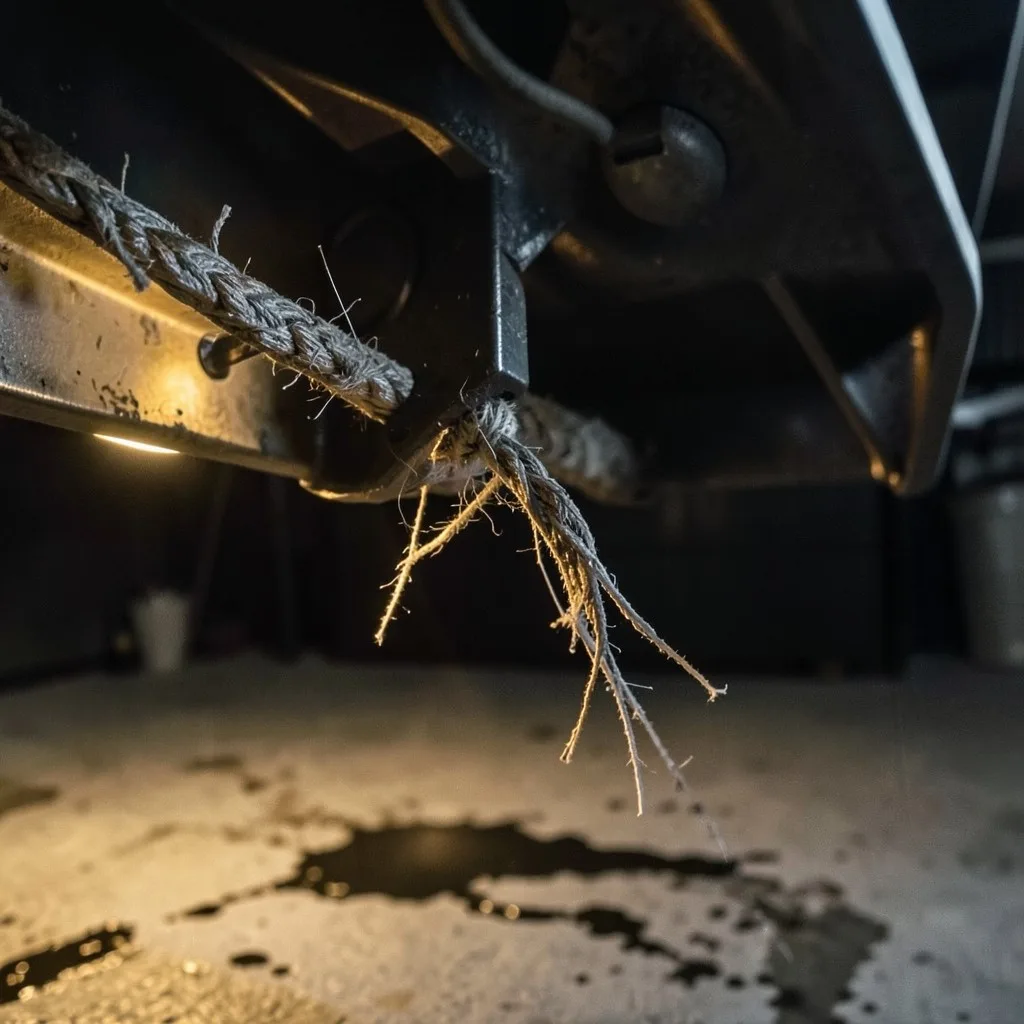
Physically yes, safely no. The spring exists because the door itself can weigh 150–300 pounds; with the counterbalance gone, that full weight is on whatever lifts it. Two adults can raise a spring-dead door in a genuine emergency — car trapped, medical need — using rigid props and never body parts under the door. Outside an emergency, wait for the pro: the off-balance lift is how tracks bend and hands get caught.
What does a torsion spring’s cycle rating actually mean?
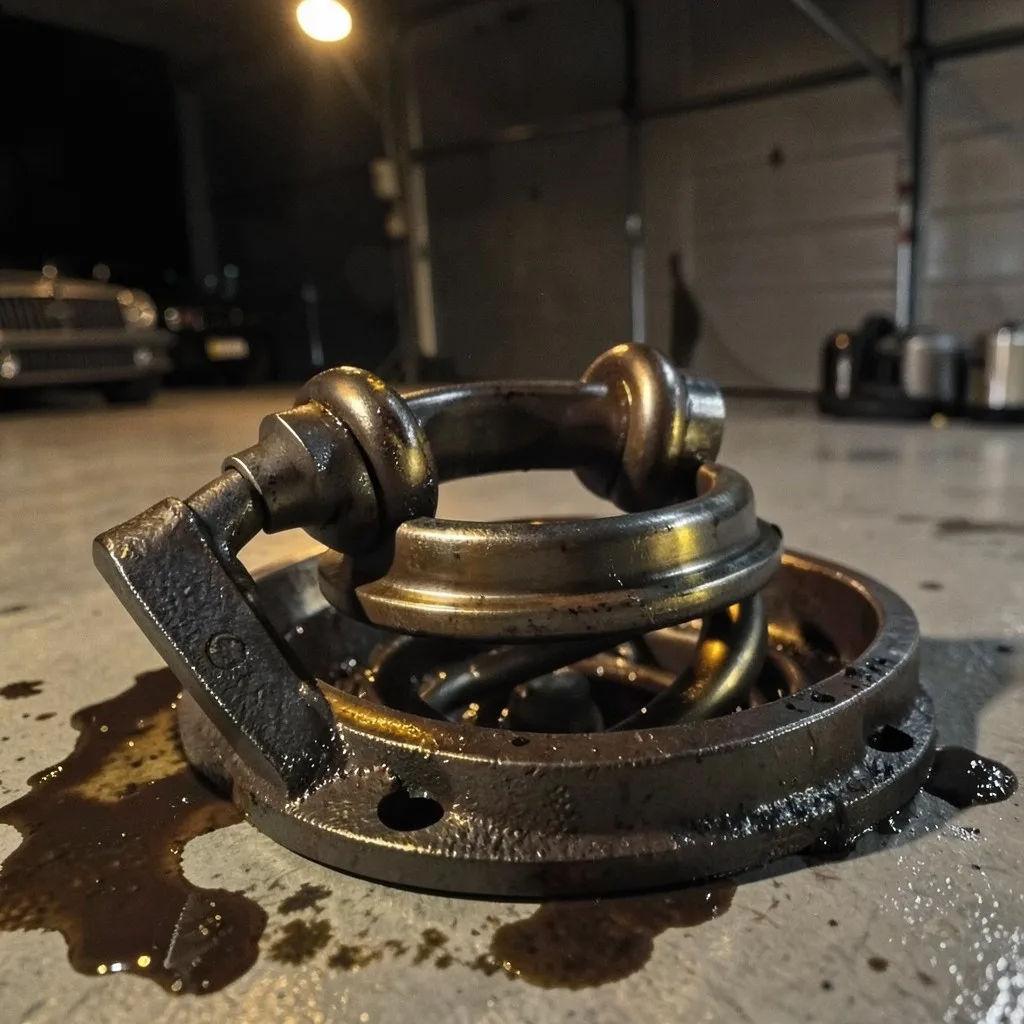
One cycle is one full open-and-close. Standard residential springs are rated 10,000 cycles; upgrades run 15,000 to 25,000 and beyond. The rating is a fatigue-life estimate for the wire at its working torque — not a warranty, but a good actuarial figure. At four cycles a day, 10,000 cycles is roughly seven years of service. Any quote for spring replacement should state the rating; the difference between tiers is modest against the labour cost of the visit.
Why do garage door springs have to be replaced in pairs?
On a two-spring door, both springs have identical cycle counts — when one breaks, the survivor is at the same point in its fatigue life and statistically fails within months. Replacing the pair also keeps the winding balanced across the shaft, so the door lifts evenly instead of racking toward the older spring’s side. Single-spring replacement on a paired door is a known repeat-call generator, which is why reputable contractors quote pairs by default.
The door has two springs and only one broke — what now?
Both get replaced, and it is not an upsell. Springs on the same shaft have identical cycle histories: the survivor is as fatigued as the one that failed, and mixing a new spring with a spent one unbalances the winding across the shaft. The labour is the visit itself — the second spring adds a part, not an appointment. One-spring quotes on two-spring doors are how repeat calls get manufactured.
How long do garage door springs last in Franklin?
Shorter than the brochure says: 8–10 years is realistic here. The 5,935 annual heating degree days in Norfolk County put real fatigue load on spring steel, and the failure calendar peaks around January. If replacement is quoted, upgrading the cycle rating is the lever that moves lifespan.
What garage door problems are most common in Franklin homes?
Age-related structural wear leads: 46% of Franklin housing predates 1960, so calls skew to worn tracks, obsolete one-piece and early sectional hardware, and openers several safety-generations old. Any opener without photo eyes fails the post-1993 federal safety bar and belongs in the replacement column regardless of whether it runs.
What protections does MA law give me when I hire a garage door contractor?
Strong ones — if the contractor is registered. Under the Home Improvement Contractor Act (MGL c.142A, in force since 1992), residential contractors in Franklin must hold state HIC registration; hiring registered unlocks the state arbitration program and the Guaranty Fund, which compensates documented losses from unworkmanlike jobs into five figures. Unregistered operators cost their customers every one of those remedies — the registry lookup takes two minutes.
Do I need a permit for garage door work in Franklin?
For repairs, generally no; for installation, often yes. Expect the permit question to be real in Massachusetts: the state code makes structural changes permitted work everywhere, and many towns extend permits to any door replacement. Coastal municipalities add wind-provision review. The contractor should name the town's answer unprompted — it is verifiable at the local building department. Component repair is different: Massachusetts treats component-level repair as ordinary maintenance under 780 CMR — no permit for the standard spring, cable or opener visit. The permit trigger is structural: opening changes, header work, or anything the building inspector would call an alteration. When in doubt, the Norfolk County building department’s answer is the one that counts.
How does the call routing actually work?
This site is a referral service, not a contractor. The number routes your call through eLocal’s network to an independent licensed contractor covering Franklin — matched on your ZIP and the work you describe. The call is free, you are never obligated to book, and the contractor you speak with is the business that would do the work.
What will I be asked when I call?
Have four answers ready and the call is short: where (ZIP), what (door type, single or double), which (opener brand), and how it is failing. Precision on the fourth answer is what loads the right parts — the difference between diagnosis day and repair day.
How fast can a pro actually get there?
It depends on the day’s board: acute failures called in early often see a truck the same day in Norfolk County, while planned work books days out. You will get the contractor’s honest window on the phone — and if nobody can fit the job, the call simply ends there, no obligation.


 STOP & CALL