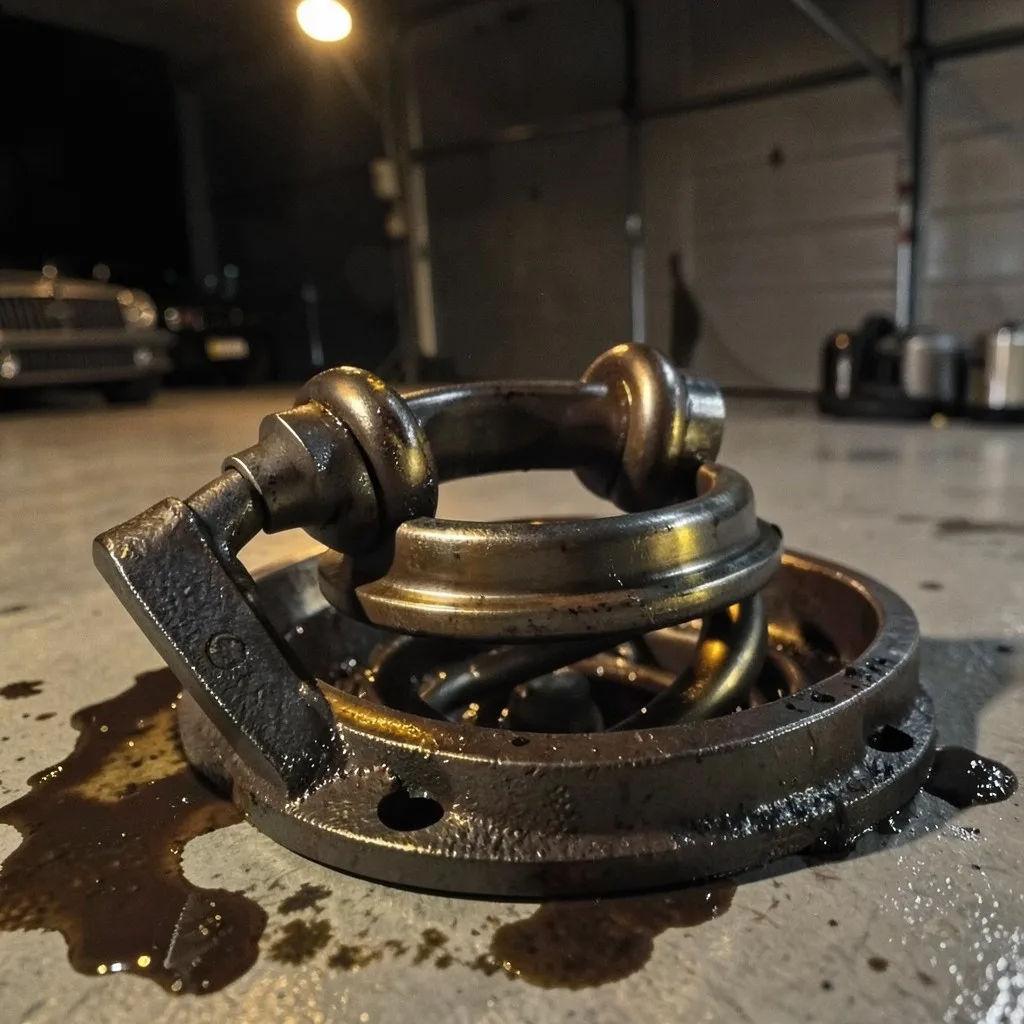
Does maintenance actually extend spring life?
It extends system life and buys warning, which is the point. Spring fatigue itself is cycle-driven, but a balanced, lubricated door lowers peak torque on every lift — and the measured checks date the spring’s decline instead of letting it surprise you. The economic case is straightforward: the same replacement done as scheduled work versus as an emergency call, minus the collateral wear a failing spring inflicts on the opener meanwhile. The arithmetic favours the calendar every time.
What can homeowners maintain themselves safely?
The observational and low-energy layer: monthly balance test (door down, release, half-lift), quarterly reversal test with a board under the door, photo-eye cleaning and alignment, hinge and roller lubrication with the correct product, and visual checks for cable fray and coil gaps. The line not to cross: anything touching spring tension, cable anchors or bottom brackets — that hardware is loaded even at rest.
How often should a garage door be serviced?
Annually for a typical household door, twice-yearly at heavy use (six-plus cycles a day) or where winters are hard. The interval logic is fatigue-based: springs and cables wear by cycle count, and annual inspection catches drift about half a spring-life before failure. The homeowner’s monthly balance and reversal checks fill the gap between visits — neither replaces the other, and the two together cover the whole failure surface.
What lubricant is right — and what should never be used?
Garage-door-rated lithium or silicone products, applied to springs, hinges, roller bearings and the opener rail contact points. The wrong answer is general-purpose penetrating oil: it strips existing grease, attracts grit, and leaves parts drier than before within weeks. Tracks get cleaned, not lubricated — a greased track collects debris that seizes rollers.
How long do garage door springs last in Norwood?
Expect 8 to 10 years from a standard 10,000-cycle set — the bottom of the national range. Norfolk County logs about 5,935 heating degree days a year, and hard winters both stiffen spring steel and concentrate failures into the cold months, with January the peak locally. Higher-cycle springs (15,000–25,000) stretch the window proportionally.
What garage door problems are most common in Norwood homes?
In a stock where 48% of homes predate 1960, the classic Norwood call is legacy hardware: tilt-up doors on jamb hardware, extension springs without safety cables, and pre-photo-eye openers. Modernisation — not just repair — is the recurring theme in Norfolk County’s older neighbourhoods.
What protections does MA law give me when I hire a garage door contractor?
Massachusetts backs Norwood homeowners with MGL c.142A: contractor registration requirements, written-contract formalities on jobs above the statutory threshold, state-run arbitration for disputes, and a Guaranty Fund paying provable losses into five figures — all conditioned on one thing, the contractor being HIC-registered when the contract was signed. It is the single strongest reason the registry check comes before the deposit in Norfolk County.
Do I need a permit for garage door work in Norwood?
It depends on the work. Expect the permit question to be real in Massachusetts: the state code makes structural changes permitted work everywhere, and many towns extend permits to any door replacement. Coastal municipalities add wind-provision review. The contractor should name the town's answer unprompted — it is verifiable at the local building department. Routine garage door repair in Massachusetts (spring pairs, cables, opener parts) typically needs no permit under the state code's ordinary-repairs provisions. Structural work is the boundary — alter the opening and the job crosses into permitted territory with inspection to follow. The reliable answer comes from the Norfolk County building authority — a licensed contractor confirms before ordering a door rather than assuming.
How does the call routing actually work?
This site is a referral service, not a contractor. The number routes your call through eLocal’s network to an independent licensed contractor covering Norwood — matched on your ZIP and the work you describe. The call is free, you are never obligated to book, and the contractor you speak with is the business that would do the work.
What will I be asked when I call?
Have four answers ready and the call is short: where (ZIP), what (door type, single or double), which (opener brand), and how it is failing. Precision on the fourth answer is what loads the right parts — the difference between diagnosis day and repair day.
How fast can a pro actually get there?
Same-day dispatch is common in Norwood for morning calls on acute failures — stuck doors and snapped springs get priority. Scheduled work (installs, maintenance, commercial scopes) books by appointment. The routed contractor quotes their real window on the call; nothing here promises times the local schedule cannot keep.


 DIAGNOSE