Is a smart opener upgrade worth it during a repair?
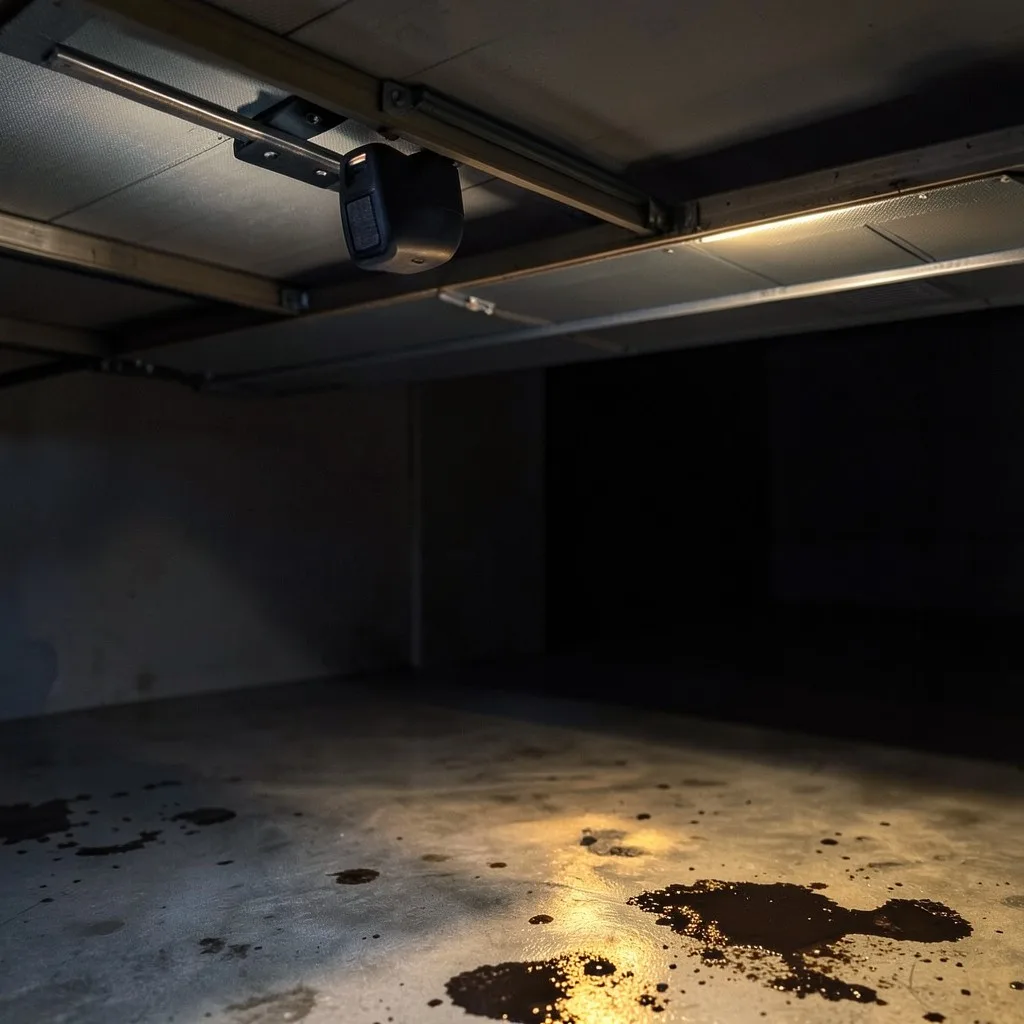
Sometimes — and the honest version depends on what is failing. If the logic board is already the failed part on an aging unit, stepping to a current model with app control, battery backup and rolling-code security often beats sourcing an obsolete board. If the fault is a gear or an eye on an otherwise healthy opener, the repair wins and the smart features can wait. The math changes where state law requires battery backup on any newly installed unit.
Why does the opener hum but not move the door?
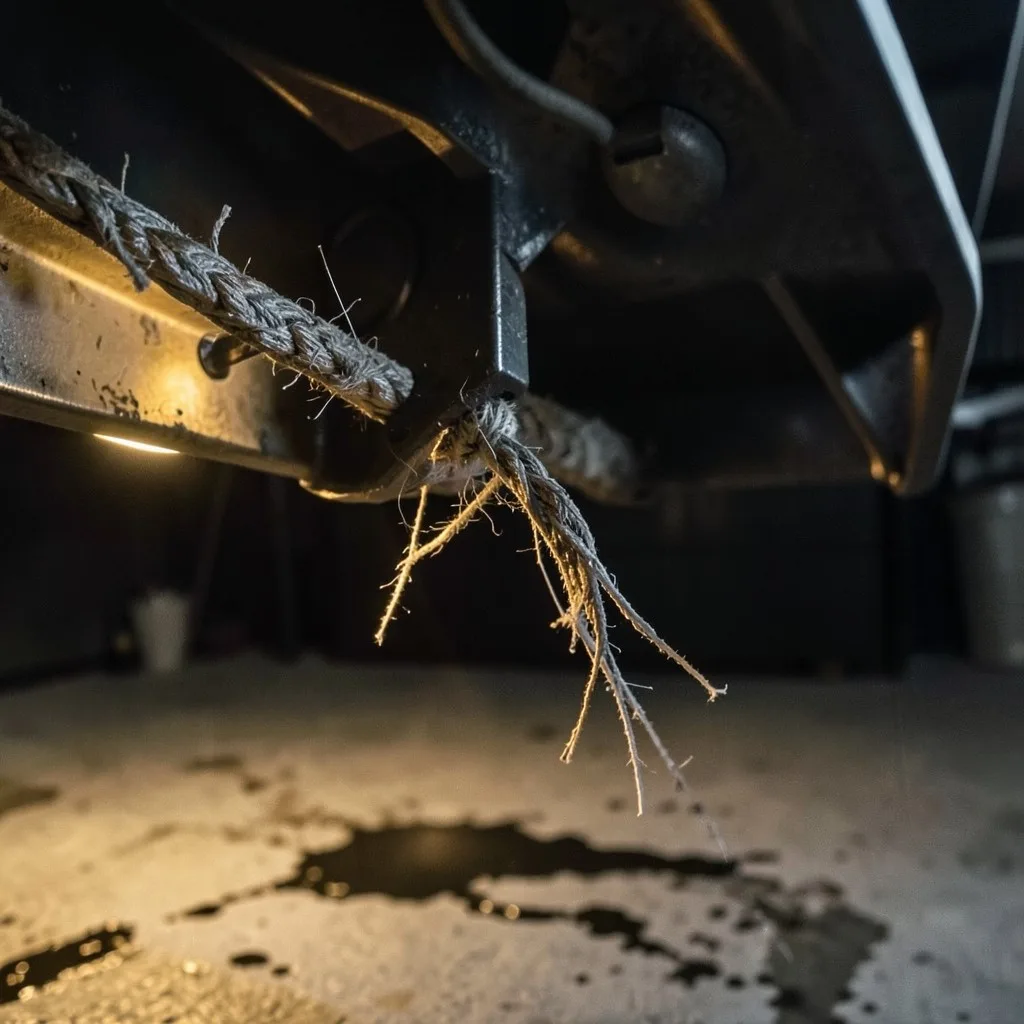
The motor is running with nothing attached to the load — almost always a stripped main drive gear. The gear is nylon by design, a sacrificial part meant to fail before the motor burns out, and it announces itself with white shavings inside the cover. It is a standard bench repair. The follow-up question matters more: gears usually strip because the door got heavy, so a balance check on the springs belongs to the same visit.
Does a stronger motor fix a struggling opener?
No — and the belief causes real damage. Residential openers contribute modest force by design; the springs carry the weight. An opener straining against a heavy door signals counterbalance failure, and installing a bigger motor just moves the failure downstream to gears, brackets and panels while defeating the force limits that make the system safe. Fix the weight problem and the existing opener is usually fine.
Why did the keypad and remotes all stop working at once?
All inputs dead at once points at the receiver or its power, not at three coincidental failures: a lock/vacation switch engaged on the wall console, a wiped pairing memory after a power event, or a failing receiver board. The wall button usually still works because it is wired. Re-pairing takes minutes when the receiver is healthy; a board that will not hold codes is a bench diagnosis.
How long do garage door springs last in Russell?
Expect 8 to 10 years from a standard 10,000-cycle set — the bottom of the national range. Hampden County logs about 6,455 heating degree days a year, and hard winters both stiffen spring steel and concentrate failures into the cold months, with January the peak locally. Higher-cycle springs (15,000–25,000) stretch the window proportionally.
What garage door problems are most common in Russell homes?
In a stock where 57% of homes predate 1960, the classic Russell call is legacy hardware: tilt-up doors on jamb hardware, extension springs without safety cables, and pre-photo-eye openers. Modernisation — not just repair — is the recurring theme in Hampden County’s older neighbourhoods.
What protections does MA law give me when I hire a garage door contractor?
Massachusetts backs Russell homeowners with MGL c.142A: contractor registration requirements, written-contract formalities on jobs above the statutory threshold, state-run arbitration for disputes, and a Guaranty Fund paying provable losses into five figures — all conditioned on one thing, the contractor being HIC-registered when the contract was signed. It is the single strongest reason the registry check comes before the deposit in Hampden County.
Do I need a permit for garage door work in Russell?
It depends on the work. Expect the permit question to be real in Massachusetts: the state code makes structural changes permitted work everywhere, and many towns extend permits to any door replacement. Coastal municipalities add wind-provision review. The contractor should name the town's answer unprompted — it is verifiable at the local building department. Massachusetts treats component-level repair as ordinary maintenance under 780 CMR — no permit for the standard spring, cable or opener visit. The permit trigger is structural: opening changes, header work, or anything the building inspector would call an alteration. The reliable answer comes from the Hampden County building authority — a licensed contractor confirms before ordering a door rather than assuming.
How does the call routing actually work?
Think of the number as a switchboard with one job: putting you on the phone with an independent licensed contractor who actually covers Russell. This site publishes the local facts and takes a network referral fee when calls connect — the work, the pricing and the relationship are entirely between you and the contractor.
What will I be asked when I call?
Have four answers ready and the call is short: where (ZIP), what (door type, single or double), which (opener brand), and how it is failing. Precision on the fourth answer is what loads the right parts — the difference between diagnosis day and repair day.
How fast can a pro actually get there?
It depends on the day’s board: acute failures called in early often see a truck the same day in Hampden County, while planned work books days out. You will get the contractor’s honest window on the phone — and if nobody can fit the job, the call simply ends there, no obligation.


 DIAGNOSE