How long does a garage door installation take?
The on-site work is typically four to six hours for a single door with a same-size opening — tear-out, new track and springs, sections, opener connection and safety tests. The calendar time is dominated by the door order: stock profiles arrive in days, custom sizes, insulation packages and wind-rated assemblies in weeks. A resized opening adds framing work and usually a permit inspection to the schedule.
How should a homeowner prepare for install day?
Clear a working corridor: vehicles out, both sides of the opening empty a car-length deep, track path and ceiling rail clear of storage, and an outlet accessible for the crew. Confirm who is home to approve the final walk-through, and keep pets away from the work zone — de-tensioning old springs is the one genuinely hazardous hour of the day. Everything else is the crew’s problem, which is the point of hiring one.
What is the real difference between builder-grade and upgraded doors?
Steel gauge, insulation, and hardware rating — the three things you cannot see from the driveway. Builder-grade means the thinnest practical skin, hollow or minimally filled panels, 10,000-cycle springs and standard rollers. One tier up buys thicker steel that resists denting, foam that stiffens the panel and quiets the drive, and hardware with real fatigue margin. The visible style costs little; the invisible spec is where quotes genuinely differ.
Can a new door go in the existing tracks?
No — and any installer proposing it is cutting a corner that matters. Track is engineered to the door: radius, gauge, and spacing married to panel thickness and weight. Reusing old track under a new door voids listings, misaligns rollers, and puts a fresh warranty on hardware with fifteen years of wear. Doors ship as systems; they get installed as systems.
How long do garage door springs last in Three Rivers?
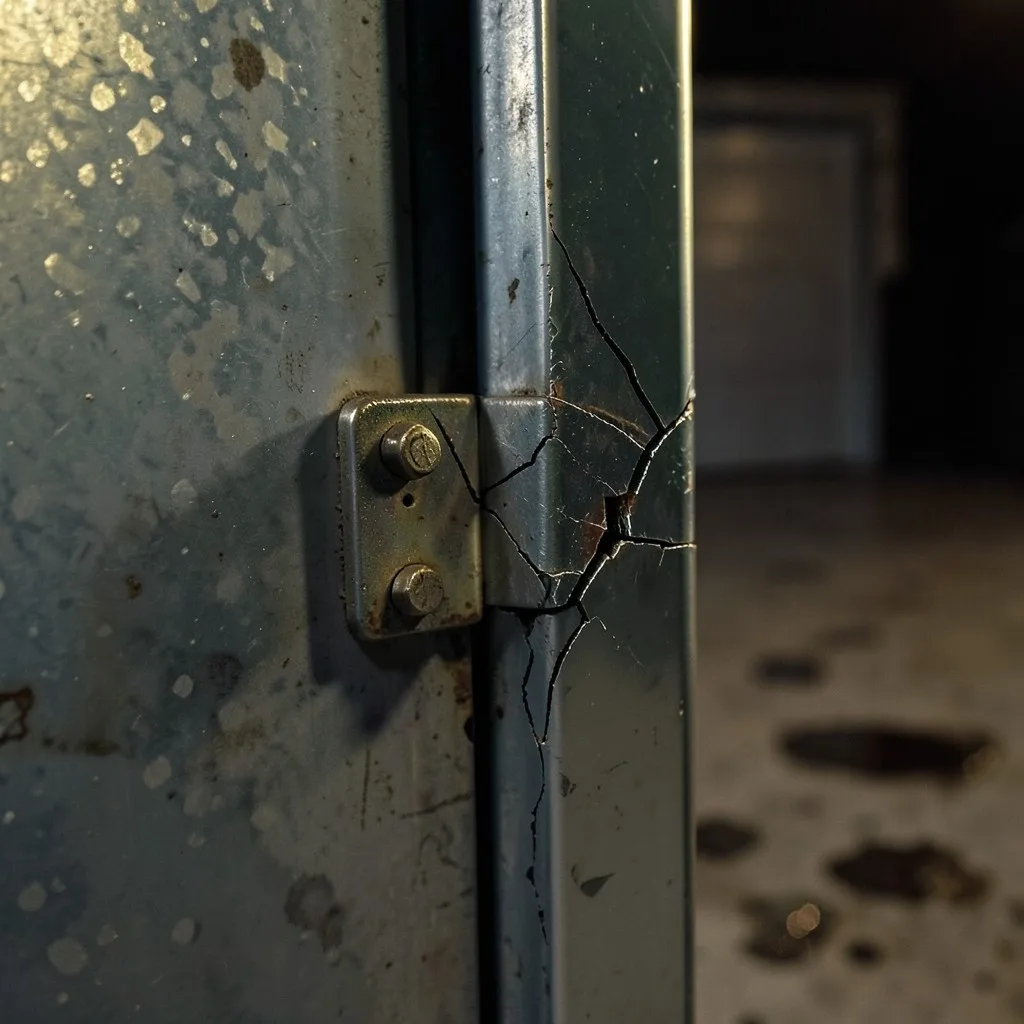
Shorter than the brochure says: 8–10 years is realistic here. The 6,455 annual heating degree days in Hampden County put real fatigue load on spring steel, and the failure calendar peaks around January. If replacement is quoted, upgrading the cycle rating is the lever that moves lifespan.
What garage door problems are most common in Three Rivers homes?
Age-related structural wear leads: 53% of Three Rivers housing predates 1960, so calls skew to worn tracks, obsolete one-piece and early sectional hardware, and openers several safety-generations old. Any opener without photo eyes fails the post-1993 federal safety bar and belongs in the replacement column regardless of whether it runs.
What protections does MA law give me when I hire a garage door contractor?
Strong ones — if the contractor is registered. Under the Home Improvement Contractor Act (MGL c.142A, in force since 1992), residential contractors in Three Rivers must hold state HIC registration; hiring registered unlocks the state arbitration program and the Guaranty Fund, which compensates documented losses from unworkmanlike jobs into five figures. Unregistered operators cost their customers every one of those remedies — the registry lookup takes two minutes.
Do I need a permit for garage door work in Three Rivers?
For repairs, generally no; for installation, often yes. Garage door replacement in Massachusetts commonly requires a building permit under the state code (780 CMR) — always when the structural opening changes, and many municipal building departments permit like-size replacements as well. The local inspector of buildings is the deciding voice; a registered contractor confirms before ordering the door. Component repair is different: Like-for-like component repairs — springs, cables, rollers, opener service — generally fall under the ordinary-repairs allowance of the Massachusetts code and proceed without a permit. The line is structure: once the opening, header or framing is touched, 780 CMR permitting applies. When in doubt, the Hampden County building department’s answer is the one that counts.
How does the call routing actually work?
Think of the number as a switchboard with one job: putting you on the phone with an independent licensed contractor who actually covers Three Rivers. This site publishes the local facts and takes a network referral fee when calls connect — the work, the pricing and the relationship are entirely between you and the contractor.
What will I be asked when I call?
Four things move the call fastest: your ZIP, the door type (sectional or one-piece, single or double), the opener brand, and the symptom in a sentence. With those, dispatch can route to a contractor whose truck stock matches the likely failure — often turning a diagnostic visit into a same-visit repair.
How fast can a pro actually get there?
Same-day dispatch is common in Three Rivers for morning calls on acute failures — stuck doors and snapped springs get priority. Scheduled work (installs, maintenance, commercial scopes) books by appointment. The routed contractor quotes their real window on the call; nothing here promises times the local schedule cannot keep.


 BOOK SOON