What records should a commercial repair produce?
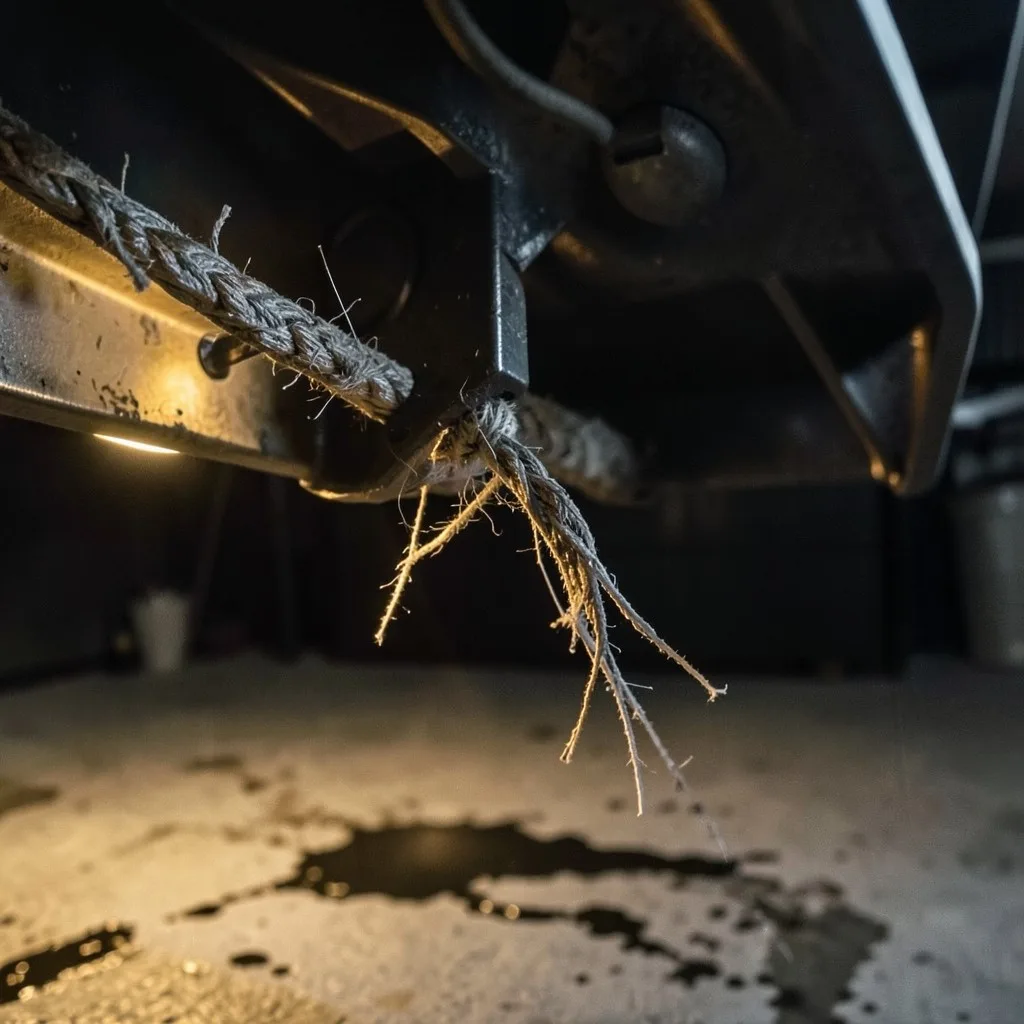
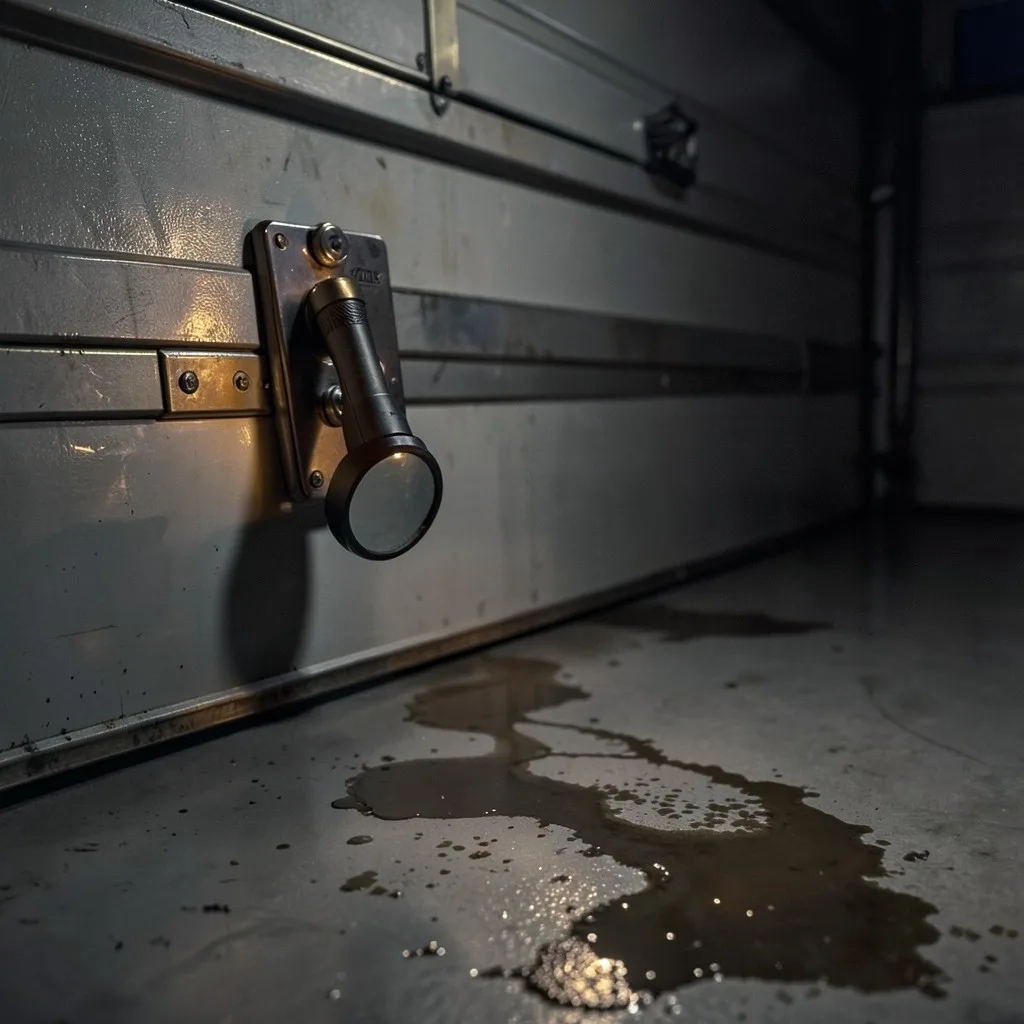
A findings report with photographs, the measured condition of springs or barrel, operator duty class and condition, the executed scope with parts specifications, and post-repair verification results. Facilities carrying insurance or fire-code obligations need the paper trail — and the next contractor to touch the door works twice as fast against a documented baseline. Paper is cheap; rediscovery is not.
Can a failed commercial door be secured without full repair?
Yes — make-safe is standard practice when parts carry lead time. The door is secured against movement and the opening against intrusion: curtain locked or blocked, operator isolated, temporary barriers where the opening must stay passable. Documented make-safe protects both safety and insurance position while the specified parts ship. It is the interim step, not the repair.
Why do rolling steel doors need specialist attention?
The failure modes are different in kind: barrel spring tension inside a coil housing, slat and endlock wear, guide alignment, and curtain balance interact in ways sectional-door experience does not cover. A telescoping curtain or uneven coil is feeding damage into every slat each cycle. Contractors routed for commercial calls work on coiling systems specifically — it is a distinct hardware family, not a bigger residential door.
What does “duty cycle” mean on a commercial operator?
The operator’s rated frequency of use — how many cycles per hour, sustained, the motor and gearing are built for. A standard-duty operator on a high-traffic dock door overheats, trips breakers and fails early; the fix is matching the operator class to real traffic, not upsizing horsepower. Duty class is on the operator plate, and a repair visit should confirm it against how the door actually gets used — traffic counts change, and yesterday’s correct class quietly becomes today’s undersized one.
How long do garage door springs last in Quinlan?
Longer than most of the country: 10–13 years, because Hunt County’s 2,493 annual heating degree days impose almost no freeze-thaw stress. Springs here die of cycle count. At four openings a day a 10,000-cycle set runs about seven years; lighter use stretches toward the top of the range.
What garage door problems are most common in Quinlan homes?
Newer stock, newer failure profile: Quinlan skews post-1980, so calls run to builder-grade springs hitting their 10,000-cycle limit on schedule, opener electronics (boards, eyes, remotes), and panel damage. The springs installed by production builders are the minimum rating — their first failure is the moment to buy the upgrade.
Do I need a permit for garage door work in Quinlan?
For repairs, generally no; for installation, often yes. Permit authority in Texas is municipal: most cities permit garage door replacement when the structural opening changes, and several large metros — Houston and Dallas among them — extend permit or registration requirements further. In TDI's seacoast territory — the first-tier counties plus Harris County east of State Highway 146 — windstorm certification runs alongside the city permit. The local building department's answer belongs on the quote. Component repair is different: Routine garage door repair needs no permit in Texas cities — maintenance-class work stays below the permitting line everywhere. Two caveats earn attention: anything structural belongs to the city building department, and coastal repairs on WPI-8-certified openings should keep the paperwork intact, because TWIA eligibility rides on it. When in doubt, the Hunt County building department’s answer is the one that counts.
How does the call routing actually work?
This site is a referral service, not a contractor. The number routes your call through eLocal’s network to an independent licensed contractor covering Quinlan — matched on your ZIP and the work you describe. The call is free, you are never obligated to book, and the contractor you speak with is the business that would do the work.
What will I be asked when I call?
Have four answers ready and the call is short: where (ZIP), what (door type, single or double), which (opener brand), and how it is failing. Precision on the fourth answer is what loads the right parts — the difference between diagnosis day and repair day.
How fast can a pro actually get there?
Same-day dispatch is common in Quinlan for morning calls on acute failures — stuck doors and snapped springs get priority. Scheduled work (installs, maintenance, commercial scopes) books by appointment. The routed contractor quotes their real window on the call; nothing here promises times the local schedule cannot keep.

 STOP & CALL