What does “duty cycle” mean on a commercial operator?
The operator’s rated frequency of use — how many cycles per hour, sustained, the motor and gearing are built for. A standard-duty operator on a high-traffic dock door overheats, trips breakers and fails early; the fix is matching the operator class to real traffic, not upsizing horsepower. Duty class is on the operator plate, and a repair visit should confirm it against how the door actually gets used — traffic counts change, and yesterday’s correct class quietly becomes today’s undersized one.
Why do rolling steel doors need specialist attention?
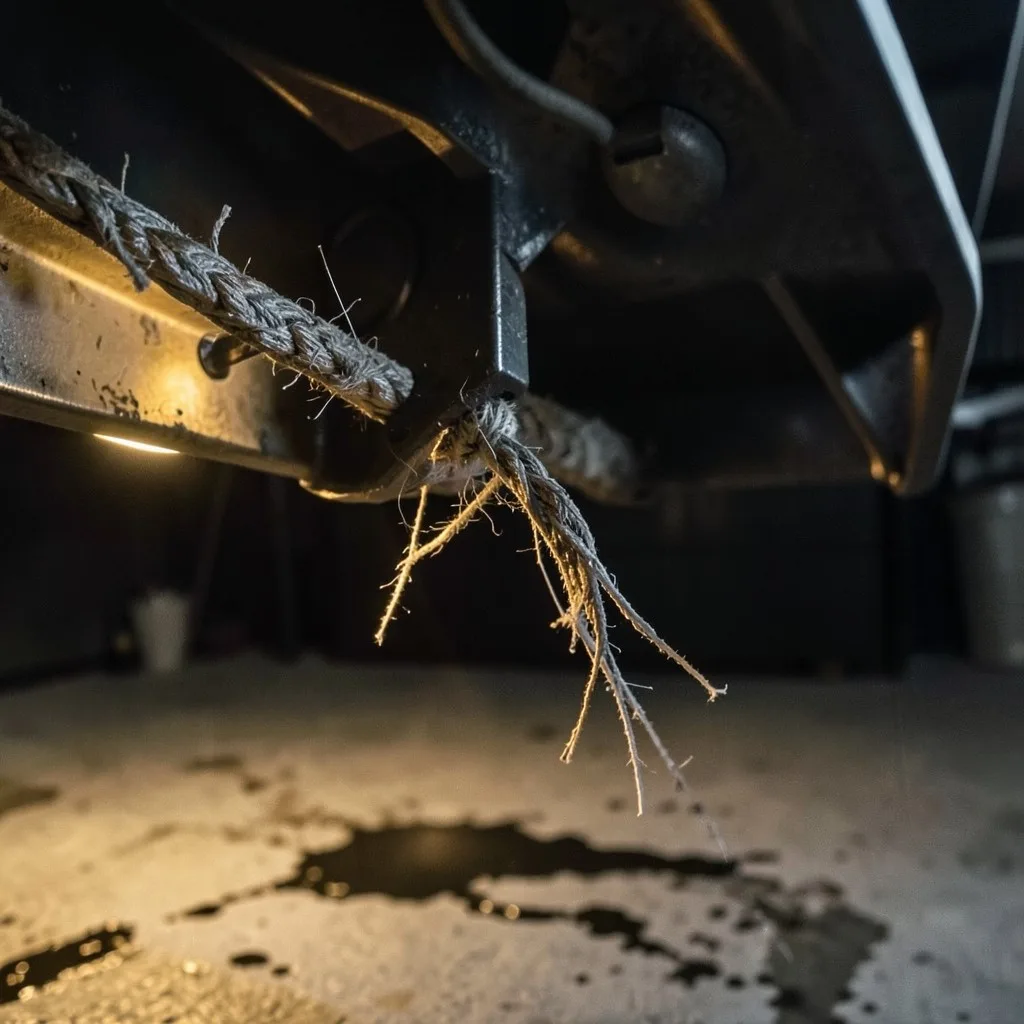
The failure modes are different in kind: barrel spring tension inside a coil housing, slat and endlock wear, guide alignment, and curtain balance interact in ways sectional-door experience does not cover. A telescoping curtain or uneven coil is feeding damage into every slat each cycle. Contractors routed for commercial calls work on coiling systems specifically — it is a distinct hardware family, not a bigger residential door.
Can a failed commercial door be secured without full repair?
Yes — make-safe is standard practice when parts carry lead time. The door is secured against movement and the opening against intrusion: curtain locked or blocked, operator isolated, temporary barriers where the opening must stay passable. Documented make-safe protects both safety and insurance position while the specified parts ship. It is the interim step, not the repair.
What records should a commercial repair produce?
A findings report with photographs, the measured condition of springs or barrel, operator duty class and condition, the executed scope with parts specifications, and post-repair verification results. Facilities carrying insurance or fire-code obligations need the paper trail — and the next contractor to touch the door works twice as fast against a documented baseline. Paper is cheap; rediscovery is not.
How long do garage door springs last in Wharton?
Wharton’s mild climate is easy on spring steel: 11 to 15 years from a standard set is typical, the top of the national range. With only 1,234 heating degree days a year in Wharton County, cycle count — not weather — is what retires springs here, so heavy daily use is the number to watch.
What garage door problems are most common in Wharton homes?
The 1970s-era build wave dominates Wharton, and its doors are on second or third spring sets: expect spring fatigue, drive-gear failures on aging openers, and roller wear. 57% of local homes predate 1980, which is why pros here check the whole system, not just the reported part.
Do I need a permit for garage door work in Wharton?
It depends on the work. Expect city-by-city answers on Texas permits: municipal building departments own the question, structural alterations trigger permits statewide practice-wise, and the biggest metros add contractor registration requirements of their own. On the seacoast, TDI windstorm certification — the WPI-8 chain — is the second regulatory track a coastal install must satisfy. Routine garage door repair needs no permit in Texas cities — maintenance-class work stays below the permitting line everywhere. Two caveats earn attention: anything structural belongs to the city building department, and coastal repairs on WPI-8-certified openings should keep the paperwork intact, because TWIA eligibility rides on it. The reliable answer comes from the Wharton County building authority — a licensed contractor confirms before ordering a door rather than assuming.
How does the call routing actually work?
Think of the number as a switchboard with one job: putting you on the phone with an independent licensed contractor who actually covers Wharton. This site publishes the local facts and takes a network referral fee when calls connect — the work, the pricing and the relationship are entirely between you and the contractor.
What will I be asked when I call?
Expect the practical minimum: ZIP code, what kind of door, what it is doing, and when someone can look at it. The more precisely you can name the symptom — “bang, then dead weight” beats “broken” — the better the parts loadout that arrives in Wharton.
How fast can a pro actually get there?
Response windows are set by the contractor’s live board, not by marketing copy: acute failures get priority and often same-day response in Wharton; planned work books like any trade visit. The honest window comes on the call — and declining it costs nothing.

 STOP & CALL